







Active Speakers

Axtarışa uyğun nəticə tapılmadı
Zəhmət olmasa, başqa axtarış yoxlayın
Aktiv dinamiklər | Keyfiyyətli səs avadanlığı
Active speakers and professional sound quality
Active speakers are considered one of the main components of a sound system. Since they have a built-in amplifier module, they do not require an additional external amplifier. This feature makes installation and operation more convenient. Active speakers are widely used at events, concerts, presentations and in various venues. The power output and technical specifications of the selected model should match its intended purpose. Active speakers can deliver effective sound coverage in both small spaces and larger venues with bigger audiences. Clear and balanced sound has a direct impact on the listening experience. Active speakers are available in different sizes and power ratings. For this reason, the venue size, audience capacity and intended use should all be considered when making a selection. Prostage.az offers a range of active speakers, allowing you to choose audio equipment that meets your requirements.
What are active speakers used for?
Active speakers can be used for a wide range of professional and everyday audio applications. They provide practical sound solutions for concerts, events, weddings and presentations. Active speakers are also widely used in restaurants, cafes, clubs and other commercial venues. Choosing suitable models is important for delivering clear speech in training rooms and conference halls. Outdoor events may require active speakers with higher power output to ensure sufficient sound coverage. Compact active speakers are a convenient option for smaller events, offering easy transportation and installation. They can also be used alongside DJ equipment to create a more functional sound system. Different input and connection options allow active speakers to work with a variety of audio devices. Once the intended application has been determined, choosing a model with the right power and size becomes much easier. Therefore, technical capabilities should be considered alongside price when selecting active speakers.
What to consider when choosing active speakers
When choosing active speakers, the characteristics of the venue should be considered first. Power output is an important factor in ensuring that sound reaches the audience at the required level. The frequency response indicates how effectively a speaker reproduces different sound frequencies. When comparing active speakers, it is also important to consider the woofer size and the components responsible for reproducing high frequencies. The number and types of input and output connections can affect compatibility with other audio systems. Built-in controls for volume and other settings provide additional convenience. If the equipment needs to be transported regularly, its weight and construction become particularly important. For outdoor events, sound coverage distance should also be taken into account. Reliability and the ability to operate consistently over long periods are essential criteria for professional use. Choosing the right active speakers can significantly improve both sound quality and ease of operation.
Power and sound coverage of active speakers
Power output is one of the main criteria when selecting active speakers. Models with higher power ratings can provide more effective sound coverage in larger venues. However, choosing speakers based on power alone is not the right approach. Room acoustics and the other equipment used in the system also have a significant impact on sound performance. Since active speakers are manufactured with different power ratings, it is possible to find suitable options for various applications. Excessively powerful active speakers may negatively affect sound balance in smaller rooms. Larger events, on the other hand, may require models with higher output and wider sound coverage. When comparing active speakers, the difference between rated and peak power should also be considered. Clean sound reproduction without distortion depends not only on power but also on the speaker's overall technical design. Therefore, evaluating all specifications together is the best way to make an informed choice.
Active speakers and connectivity options
Active speakers can feature different connection options for working with various audio sources. They can be used with microphones, mixers, music players and other audio equipment. The types and number of inputs should match the user's requirements. Some active speakers also offer additional control features, making sound adjustments more convenient. Models with wireless connectivity can provide extra flexibility in certain applications. Before choosing active speakers, it is worth checking their compatibility with the equipment already used in your sound system. Selecting the right connection options can reduce the need for additional adapters and devices. At professional events, active speakers can be combined with mixers and other audio processing equipment to provide more extensive functionality. Once the technical requirements have been identified, it becomes easier to select a model with suitable connectivity features. This approach helps ensure that sound systems built around active speakers operate more reliably and conveniently.
Sound systems for events with active speakers
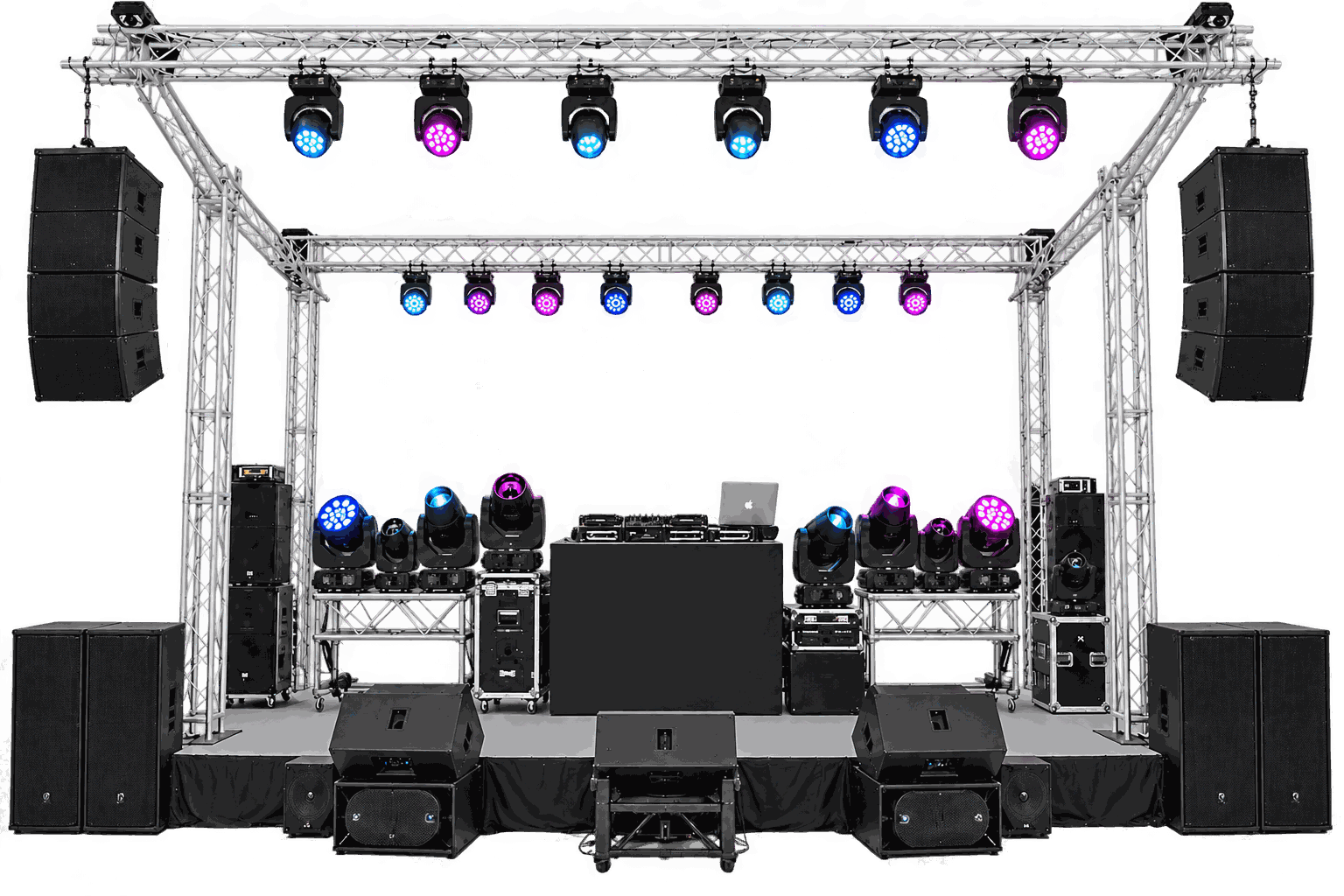
Active speakers are a practical and functional choice when setting up sound systems for events. They make it possible to build a sound system with a simpler configuration. Depending on the size of the event, one or several active speakers can be used. For larger events, active speakers can be combined with subwoofers and other audio equipment. This setup helps deliver fuller reproduction of both low and high frequencies. At weddings, concerts and corporate events, active speakers play an important role in delivering clear sound to the audience. When used outdoors, speaker placement and sound direction are particularly important. Properly positioned active speakers help distribute sound more evenly throughout the venue. Compatibility with other sound system components also affects the overall quality of the event. Therefore, the event format and technical requirements should be established before selecting active speakers.
Choosing the right active speaker model
To choose the right active speaker, it is important to determine its intended purpose first. Venue size, frequency of use and expected sound levels are among the main factors to consider. Compact active speakers can provide sufficient output and convenient portability for smaller spaces. For larger venues, models with higher power ratings and wider frequency responses may be more suitable. For professional events, it may be worth choosing models with additional connectivity and control features. The dimensions and weight of active speakers should also be considered when comparing different options. If the equipment needs to be transported frequently, a practical design can make everyday use much easier. For permanent installations, mounting options should be evaluated alongside other technical specifications. When choosing active speakers for long-term use, build quality, durable materials and reliable engineering are particularly important. The right model not only improves sound quality but also helps the entire audio system operate more efficiently.