




Digital Mixers
Axtarışa uyğun nəticə tapılmadı
Zəhmət olmasa, başqa axtarış yoxlayın
Rəqəmsal mikşer | Peşəkar səs idarəetmə həlli
Professional sound control with a digital mixer
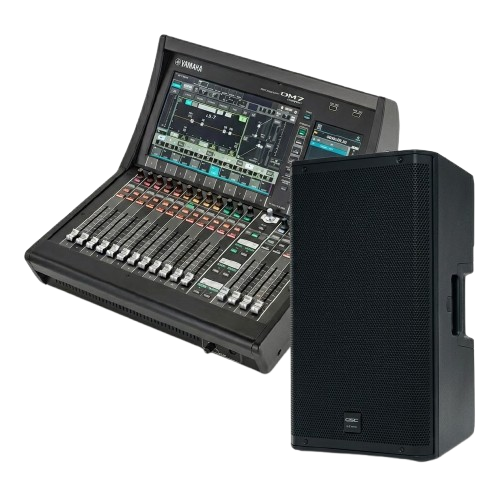
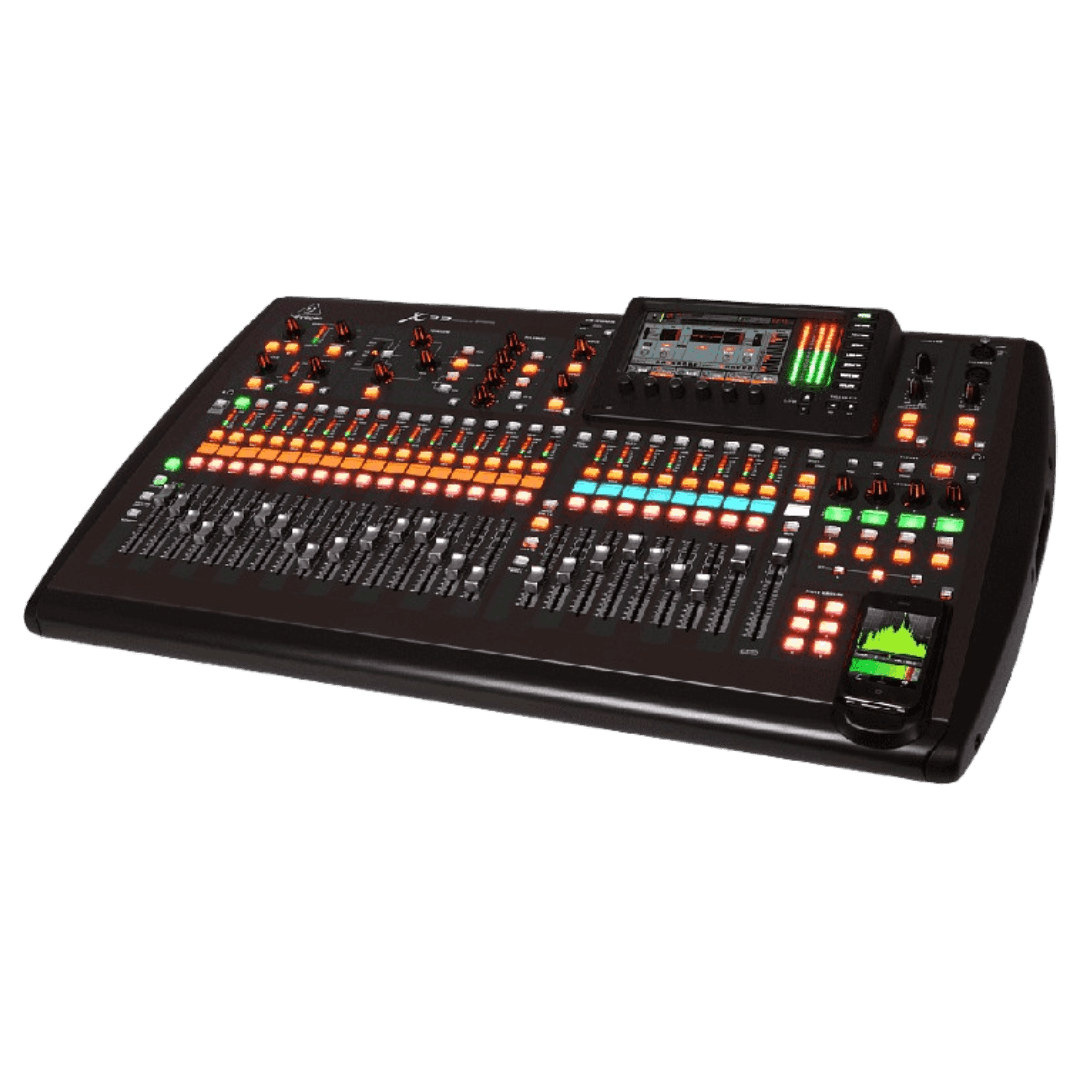
A digital mixer is a piece of equipment that enables more precise and flexible control of audio signals in modern sound systems. It allows users to manage signals coming from microphones, music sources and other audio devices. Compared with traditional mixers, digital mixers offer a wider range of functions. Users can adjust channel levels, equalizers, compressors and various sound effects directly on the mixer. Digital mixers are widely used in stage, studio, event and conference sound systems. They help process audio signals with greater stability and precision.
A digital mixer allows users to monitor and control individual audio channels separately. Many models also feature memory functions that save preset sound configurations. This makes it possible to apply the same settings quickly at different events. Choosing the right digital mixer for a professional sound system has a direct impact on overall audio quality.
Key features to consider when choosing a digital mixer
When choosing a digital mixer, the first step is to determine how it will be used. The selection should take into account the size of the event and the number of audio channels required. Compact digital mixer models may be sufficient for smaller systems, while larger stages and events generally require a multi-channel digital mixer.
The number of inputs and outputs is one of the most important technical specifications. Built-in effects, equalizer options and signal processing functions should also be considered. Convenient control of channel settings can significantly speed up the workflow. Some digital mixers also support remote operation, allowing sound engineers to control the system from different locations. The right choice depends on both the technical requirements and the user's actual needs.
Where digital mixers are used
Digital mixers are among the main control components in various professional audio systems. At concerts, they play an important role in managing stage microphones and music channels. They are also widely used in theatres and cultural centres.
In event and conference systems, digital mixers help ensure clear and balanced speech reproduction. In studio environments, they can be used to process different audio sources with precision. Digital mixers are also found in sound systems installed in restaurants, hotels and entertainment venues.
At large events, a digital mixer makes it easier to manage multiple microphones and audio sources simultaneously. It can also distribute different audio signals to separate zones. This is particularly important when setting up complex sound systems. Choosing a digital mixer suited to the intended application makes the entire system easier and more efficient to operate.
Digital mixers and sound quality control
A digital mixer allows audio signals to be processed at different stages. Its equalizer can be used to adjust frequency ranges, while the compressor function helps maintain consistent sound levels. Built-in effects make it possible to process vocal and music channels according to their specific requirements.
Each channel can be assigned its own settings, making it easier to balance different audio sources during live events. Digital mixers may also include monitoring and control functions that help identify sound issues more accurately.
Saving scene settings is another practical advantage of modern digital mixers. Operators can select previously configured settings and avoid unnecessary delays during an event. For this reason, digital mixers are considered essential equipment for achieving professional sound quality.
What to consider when choosing a digital mixer
Before purchasing a digital mixer, compare its technical capabilities with the requirements of the sound system in which it will be used. The number of channels is one of the main factors to consider. If additional audio sources may be connected in the future, choosing a digital mixer with greater capacity is a practical decision.
The number of inputs and outputs should match the requirements of the planned setup. A user-friendly control interface is also an important advantage, especially during long-term use. Remote control and connectivity options can make operation more convenient. Built-in effects and signal processing functions may also reduce the need for additional equipment.
Compatibility with the active and passive speakers used in the system should be checked before making a choice. For professional events, reliability and stable performance are particularly important. You can explore the digital mixer models available in the Prostage.az catalogue and choose an option that meets your system's requirements.
Digital mixer models and channel capabilities
Digital mixer models differ in their channel counts and technical specifications. When choosing a digital mixer, consider the number of microphones and other audio sources that will be connected. Multi-channel models are often more suitable for systems that require a larger number of inputs, while a digital mixer with fewer channels may be sufficient for smaller events.
Control options also vary between models. Some devices feature touchscreens and digital control interfaces, while others offer additional connectivity options for remote operation. It is important to check the input and output configuration before making a decision.
When comparing digital mixer models, look beyond the number of channels and consider their overall functionality. This approach helps you choose a mixer that meets your needs and delivers long-term value.
Sound control at live events with a digital mixer
A digital mixer makes it easier to manage multiple audio sources simultaneously during live events. It allows the sound levels of individual stage microphones to be adjusted separately and helps balance vocals, music and other audio channels.
Digital mixers offer practical control options for making quick sound level adjustments during performances. Saved scene settings can be used throughout different parts of an event, simplifying the operator's work and reducing the time needed to manage the sound system.
Digital mixers are used to control various audio sources at concerts, presentations and corporate events. They also allow changes to the sound system to be made more flexibly. Operators can monitor different channels and apply the necessary adjustments in real time. This makes a digital mixer a versatile and functional solution for live sound control.
Choosing a compatible sound system for a digital mixer
A digital mixer does not operate in isolation. It works together with other audio equipment as part of a complete sound system. When choosing a digital mixer, consider the specifications of the microphones, speakers, amplifiers and other equipment that will be used.
Active speakers can be integrated directly and conveniently with a digital mixer. Systems using passive speakers, however, require a suitably matched amplifier. A digital mixer also makes it possible to route signals from different audio sources correctly throughout the system.
Technical compatibility with the other equipment should be checked in advance. The size of the sound system and its intended application are among the main criteria when selecting a digital mixer. The characteristics of the event venue may also influence the choice of the mixer and other audio equipment.
In a properly configured system, a digital mixer makes managing all audio sources more efficient. Explore the digital mixer models on Prostage.az to find a sound control solution that suits your requirements.