







Passive Speakers

Axtarışa uyğun nəticə tapılmadı
Zəhmət olmasa, başqa axtarış yoxlayın
Passiv dinamiklər | ProStage səs avadanlıqları
Passive speakers and their applications
Passive speakers are considered one of the essential components of professional sound systems. Since passive speakers do not have built-in amplifiers, they must be used with a separate amplifier. This feature allows users to build more flexible sound systems. Passive speakers are widely used at concerts, events, restaurants and various public venues. They are a convenient choice for those who want to select the power and components of their sound system separately.
Passive speakers are available in different sizes, power ratings and designs. Choosing passive speakers that match the size of the venue helps achieve more balanced sound. For professional events, passive speakers can be used both as the main sound system and as additional sound sources. The ProStage catalogue offers various passive speaker models to meet different requirements. Choosing the right passive speakers helps improve sound quality and the overall efficiency of the system.
Key features to consider when choosing passive speakers
When choosing passive speakers, the first thing to consider is their power rating. The nominal and maximum power ratings of passive speakers should match the intended use of the system. Impedance is another important technical specification to consider when selecting passive speakers. Proper compatibility between the amplifier and passive speakers ensures stable system performance.
The frequency range indicates the range of sounds that passive speakers can reproduce. Sensitivity should also be taken into account when choosing passive speakers. Models with higher sensitivity can produce greater sound levels when used with the same amplifier. The cabinet material and construction affect both the durability and acoustic characteristics of passive speakers.
The size and acoustics of the venue also play an important role in choosing passive speakers. By evaluating these specifications correctly, it is possible to build a more efficient, high-quality sound system using passive speakers.
Choosing an amplifier for passive speakers
Since passive speakers require a separate amplifier, selecting compatible equipment is particularly important. The amplifier's output power must be technically compatible with the passive speakers. Impedance should also be considered when choosing an amplifier for passive speakers. An incompatible amplifier can place additional strain on the speakers and negatively affect system performance.
In professional sound systems, passive speakers and amplifiers are planned together. This approach allows more precise control over sound levels. Since passive speakers are used at different power levels, the choice of amplifier also depends on the requirements of the system. For large events, passive speakers can be paired with more powerful amplifiers and additional audio components. In smaller venues, compact passive speakers and a suitable amplifier may be sufficient.
When all system components are properly matched, passive speakers deliver stable, high-quality sound.
Passive speakers in stage sound systems
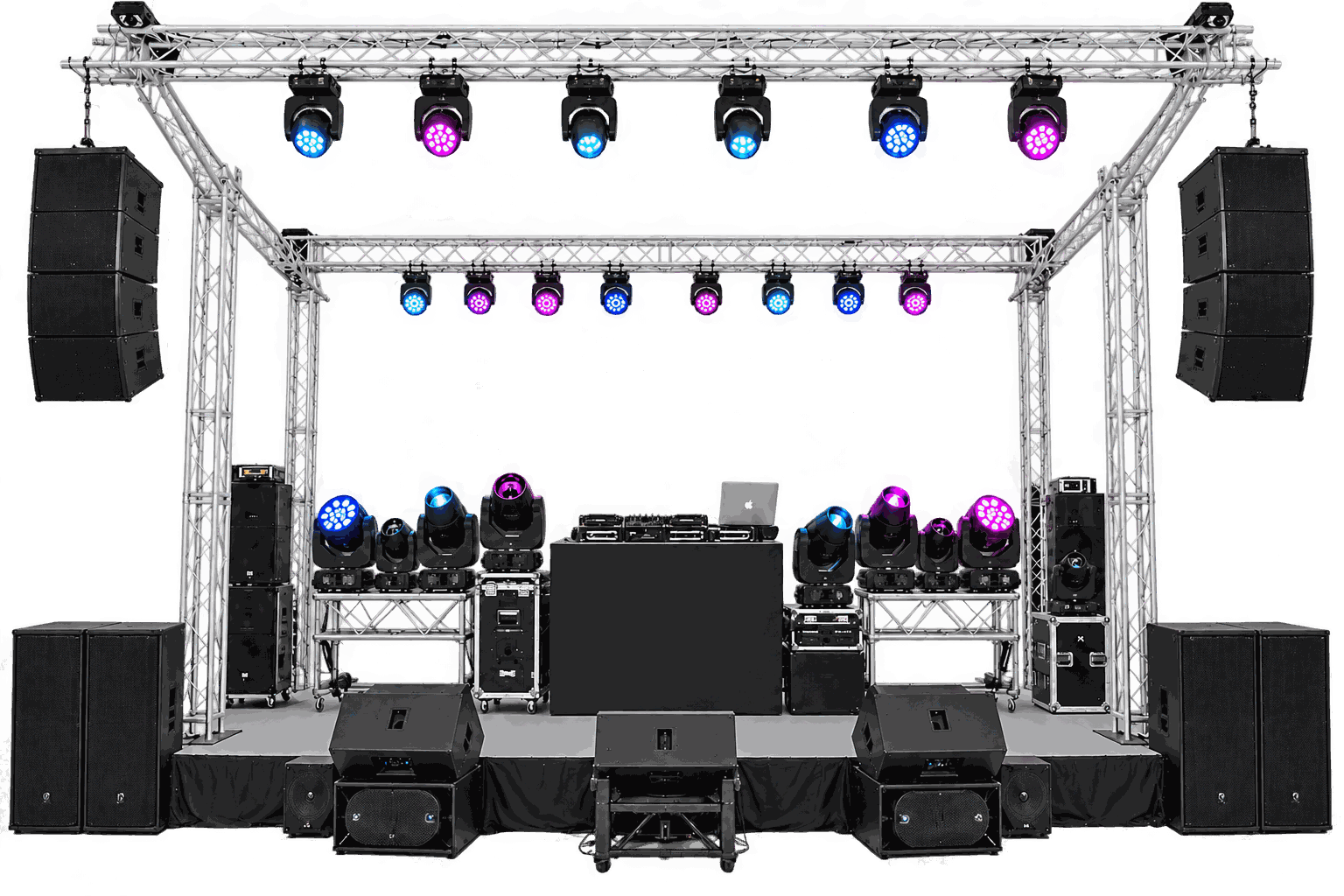
Passive speakers are among the most widely used audio equipment for stage setups and live performances. At concerts, they play an important role in building the main sound system. Depending on the size of the stage, passive speakers can be selected in different quantities and power ratings.
Passive speakers are also used in monitor systems, allowing performers to hear the sound more clearly. At outdoor events, they are combined with suitable equipment to achieve high sound levels. In stage setups, passive speakers can work alongside subwoofers and other components. This combination helps deliver a more balanced response across low and high frequencies.
Proper speaker placement is also important for distributing sound evenly throughout the audience. In a professional stage system, passive speakers should be selected according to both technical and acoustic requirements. A properly configured system allows passive speakers to deliver clear and powerful sound to everyone attending the event.
Passive speakers for event venues
Passive speakers are used in various event venues to distribute sound effectively. They can provide a practical solution for weddings, conferences, presentations and corporate events. As the size of a venue increases, the required power and number of passive speakers may also change.
Compact passive speakers are easier to position in smaller event spaces. In large halls, passive speakers are often used with additional amplifiers and other audio components. The event format is one of the main factors to consider when choosing passive speakers. For speech applications, sound clarity is particularly important. For music programmes, models with a wider frequency range may be more suitable.
The acoustic characteristics of the venue also influence the optimal placement of passive speakers. Therefore, when selecting passive speakers for an event, it is important to consider the conditions of use alongside the technical specifications.
Passive speakers in professional sound systems
Passive speakers can be used alongside various components of professional sound systems. In these setups, they are connected to amplifiers, mixers, processors and other audio equipment. Passive speakers give users the flexibility to select individual system components according to their requirements. This is particularly useful for large sound systems that may need to be expanded over time.
When passive speakers are paired with suitable equipment, sound power and quality can be managed more effectively. In professional systems, cables and connection options for passive speakers should also meet the relevant technical requirements. Compatibility between every component ensures safe and stable operation.
When properly installed for long-term use, passive speakers can serve a wide range of projects. If future system expansion is planned, passive speakers can offer greater flexibility. The ProStage catalogue makes it possible to choose passive speakers that match your requirements and build the foundation of a professional sound system.
Setting up the right system for passive speakers
When building a sound system around passive speakers, the compatibility of all components should be determined in advance. The amplifier's power and impedance must match the technical specifications of the passive speakers. The equipment used between the audio source and the speakers also affects the overall system performance.
A mixer makes it easier to control the audio signal sent to passive speakers. In larger systems, passive speakers can also work with additional processors and other control equipment. Choosing the right cables is important for ensuring stable signal transmission.
Proper placement of passive speakers helps improve sound coverage. To distribute sound evenly throughout the audience, speakers should be positioned according to the characteristics of the venue. Technical compatibility and correct installation also help extend the service life of passive speakers. For this reason, it is better to consider the entire sound system rather than focusing only on the speakers themselves.
Passive speakers in the ProStage catalogue
The ProStage catalogue offers a range of options for users looking for passive speakers to suit different requirements. The passive speaker category allows you to compare models designed for various applications. When selecting a particular model, it is important to pay attention to its technical specifications.
Power rating, impedance, frequency range and construction are among the main criteria when choosing passive speakers. Depending on whether you need equipment for a stage, event, restaurant or another venue, different passive speaker models can meet your requirements. You can browse the available models on ProStage and find a suitable option for your sound system.
The right passive speakers contribute to both sound quality and the overall efficiency of the system. They can be used to build a variety of sound solutions for professional and personal projects. Defining your operating conditions and technical requirements in advance makes the selection process easier. If you are looking for passive speakers for your sound system, explore the models available in the ProStage catalogue.