







Speaker cable bulk

Axtarışa uyğun nəticə tapılmadı
Zəhmət olmasa, başqa axtarış yoxlayın
Səsləndirici kabeli. Keyfiyyətli audio kabel seçimi
Speaker cable
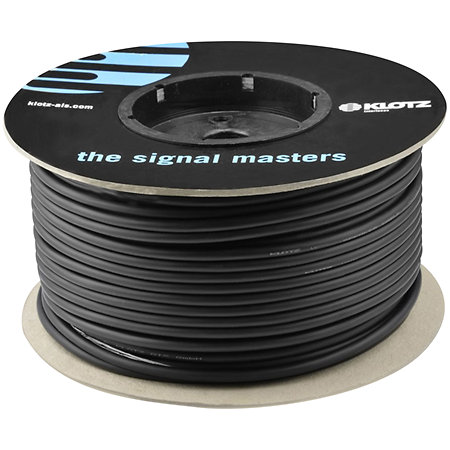
Speaker cable is an essential connection component that transmits audio signals between an amplifier and a speaker. Choosing the right speaker cable for professional sound systems ensures a stable connection between equipment and high-quality sound reproduction. These cables are widely used on stages, in studios, concert halls, event venues and home audio systems. When selecting a speaker cable, it is important to consider its length, conductor material, cross-sectional area and connector compatibility. An unsuitable cable can cause signal loss and technical problems that affect system performance. Different cable models are used for speaker systems with varying power ratings and configurations. Speaker cable plays an important role in connecting both passive speakers and compatible audio systems. The Prostage.az catalogue offers a range of speaker cable models designed for different types of audio equipment.
Which systems use speaker cables?
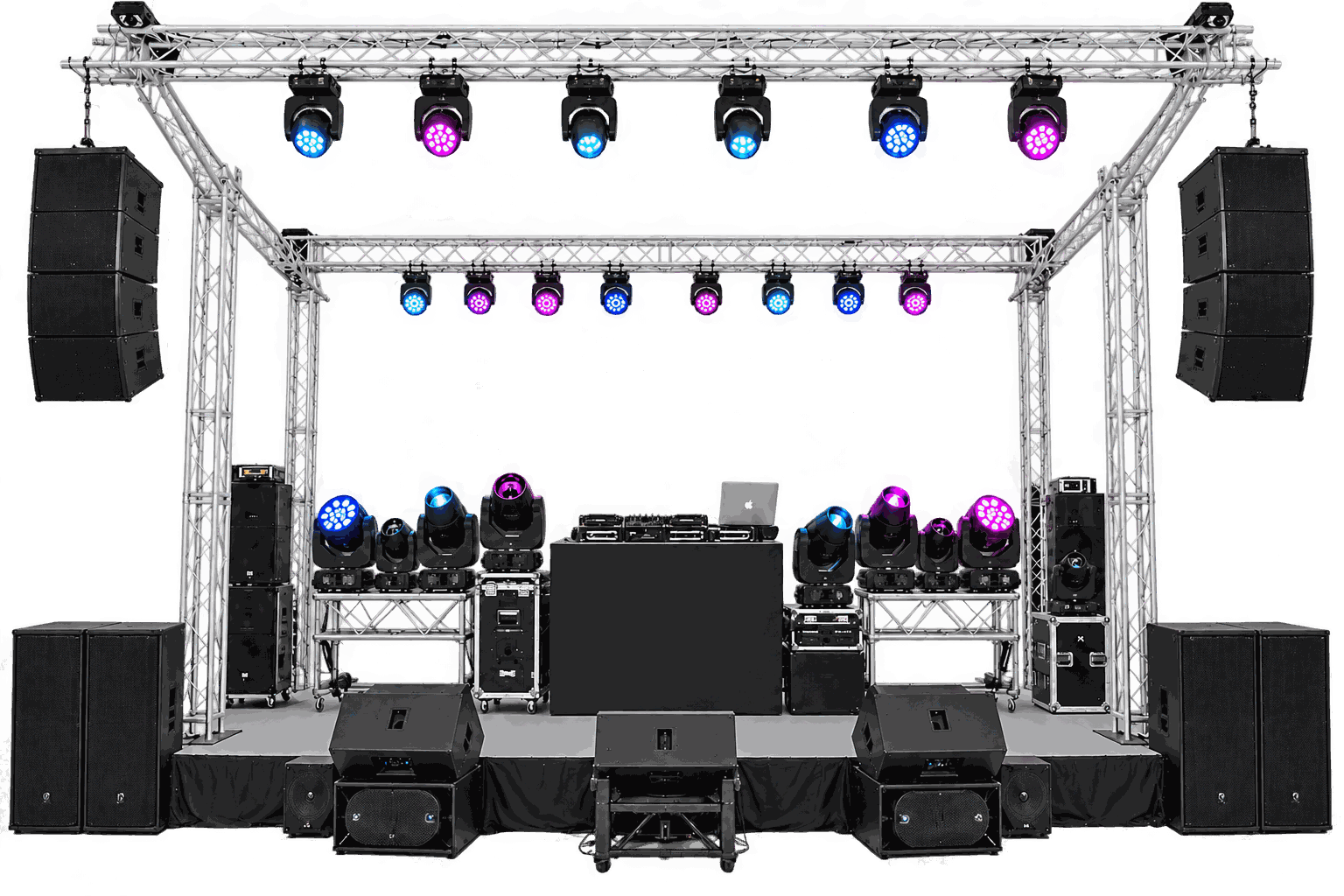
Speaker cables are used in various audio systems to connect amplifiers and speakers. They play an important role in connecting passive speakers, stage monitors and other sound equipment. In professional concert systems, speaker cables transmit audio signals from amplifiers to speakers. At event venues and conference facilities, they help ensure the stable operation of sound reinforcement systems. In home audio setups, speaker cables provide a proper connection between amplifiers and speakers. They can also be used to connect different types of sound equipment in studios and rehearsal rooms. Each cable should be selected according to the technical specifications of the equipment it will connect. Choosing the right speaker cable helps ensure more reliable and convenient operation of the sound system.
Power compatibility when choosing a speaker cable
When choosing a speaker cable, you should consider the technical specifications of the speaker and amplifier it will connect. The cable's conductor cross-section and construction should be suitable for the signal and power requirements of the system. Selecting a speaker cable that meets these requirements helps maintain stable system performance. An unsuitable cable can sometimes lead to power loss and connection issues. Careful selection is particularly important for high-powered stage systems. As cable length increases, its technical characteristics become even more important. Before purchasing a speaker cable, it is therefore essential to check the power ratings of the speakers and amplifier. The right cable contributes to both equipment safety and sound quality.
Speaker cables and sound quality
Speaker cable plays an important role in transmitting audio signals from an amplifier to a speaker. A high-quality cable helps ensure stable and reliable signal transmission. When choosing a speaker cable, consider the conductor material, cross-sectional area and overall construction. A low-quality or damaged cable can cause reduced sound levels, interrupted connections and other technical issues. Cable length and operating conditions can also affect the overall performance of a sound system. Choosing the right speaker cable helps the speaker system operate more efficiently. In professional audio systems, cable quality is particularly important for maintaining consistent sound reproduction. For this reason, speaker cables should be selected not only by price but also according to technical compatibility and intended use.
The importance of conductor material in speaker cables
The conductor material is one of the key factors that determine the technical characteristics of a speaker cable. It can affect signal transmission and the cable's overall performance. When choosing a speaker cable, it is important to consider the quality of the material and whether it is suitable for the intended application. Different cable models may feature different conductor designs and technical specifications. Selecting an appropriate conductor material is particularly important for professional sound systems. The cable's cross-sectional area and length should also be assessed alongside the conductor material. A properly selected speaker cable helps transmit audio signals more consistently. Therefore, when purchasing a cable, you should look beyond its appearance and pay attention to its technical specifications.
Choosing the right speaker cable length
When selecting a speaker cable, its length should be based on the distance between the amplifier and the speakers. A cable that is too short can restrict equipment placement and make installation less convenient. An excessively long cable can create clutter and become tangled. Speaker cables are available in different lengths, making it possible to find a suitable option for various applications. In stage systems, the distance between the amplifier and speakers should be measured in advance. For home audio systems, cable length should correspond to the room size and equipment layout. Choosing the correct length makes connections more convenient and keeps the setup organised. Rather than choosing a cable that is longer than necessary, it is better to select one that matches the requirements of the system.
Speaker cables for stage and home audio systems
Speaker cables must meet different requirements depending on where they are used. Cables designed for stage applications should be flexible and durable because they are frequently transported, connected and disconnected. Speaker cables used for concerts, events and live performances should be suitable for repeated use. In home audio systems, cable length, appearance and ease of installation may be more important. For professional stage systems, power compatibility and connection reliability are among the main factors to consider when choosing a speaker cable. In studios and rehearsal rooms, cable quality and appropriate length should also be taken into account. The technical specifications of the equipment should be carefully assessed for every application. Choosing the right cable makes the sound system easier to manage and helps reduce technical problems.
How to protect speaker cables during use
With proper handling and storage, speaker cables can remain reliable for longer. When disconnecting a cable, hold the connector body rather than pulling on the cable itself. Speaker cables should not be bent sharply or placed under heavy objects. When coiling a cable, take care not to create excessive tension inside it. In stage setups, cables placed across walkways should be secured safely. Moisture, high temperatures and mechanical impact can damage cable insulation. When not in use, speaker cables should be stored in a dry and suitable environment. The connectors and outer jacket should also be inspected regularly. Properly maintained speaker cables help preserve connection quality and reduce the need for replacement.
Choosing speaker cables at Prostage.az
When choosing a speaker cable, it is important to look for a reliable product range and technical specifications that match your intended application. Prostage.az brings together cable solutions designed for various audio, stage and speaker systems. The catalogue offers speaker cable models suitable for different types of equipment. Before purchasing a cable, it is recommended to check the technical specifications of your speakers and amplifier. Cable length, conductor cross-sectional area and connector compatibility should also be considered. The right speaker cable helps ensure stable audio signal transmission and reliable system operation. You can explore the speaker cable range on Prostage.az and find a product that meets your requirements. If you are looking for high-quality speaker cables for professional stage, studio or home audio systems, visit the Prostage.az catalogue.