









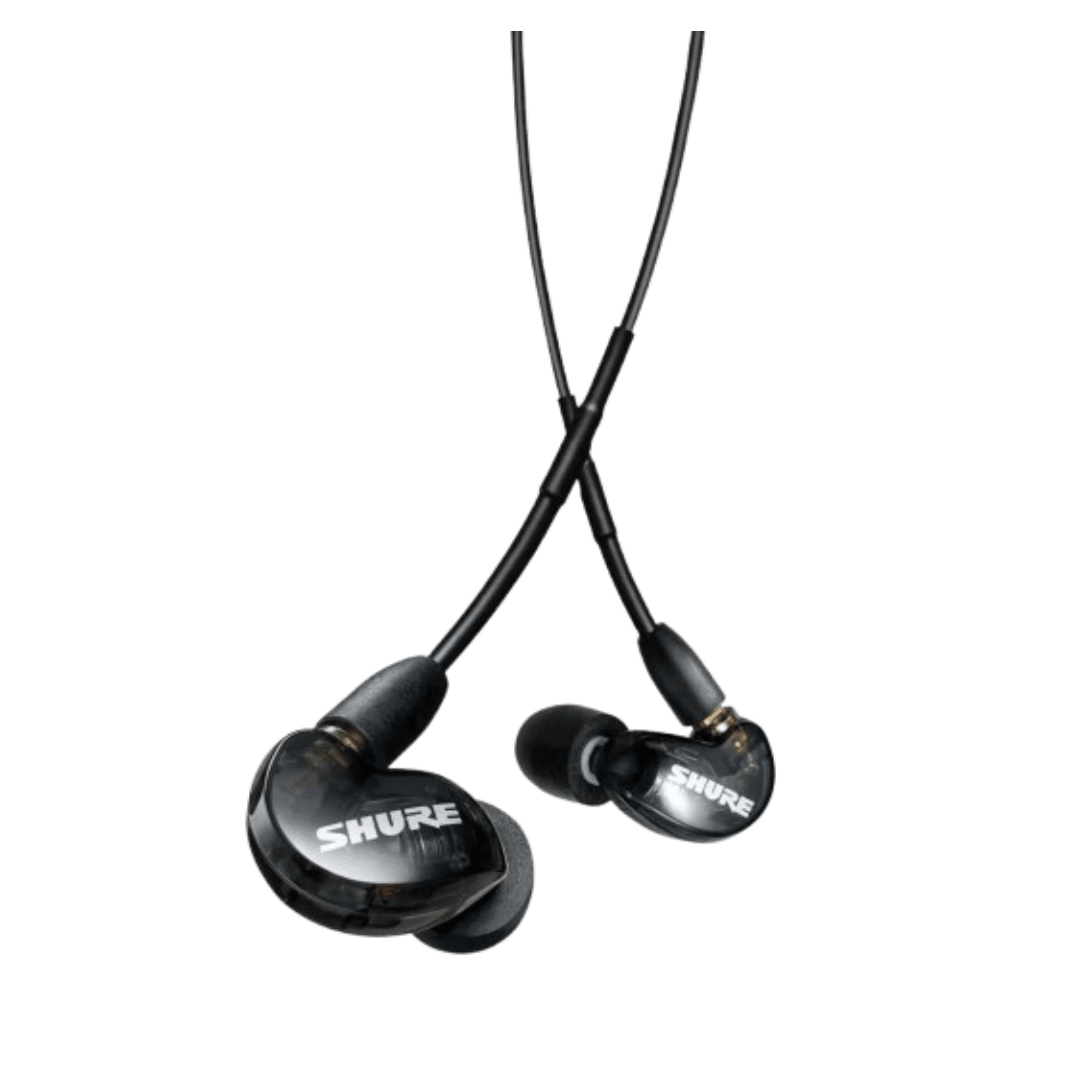

In-Ear Monitor
Axtarışa uyğun nəticə tapılmadı
Zəhmət olmasa, başqa axtarış yoxlayın
In-Ear monitor | ProStage peşəkar monitor seçimi
Precise sound monitoring on stage with in-ear monitors
In-ear monitors allow performers to hear their own voices and other musical elements more clearly during stage performances. In-ear monitor systems are widely used for professional sound monitoring, particularly during live music performances, concerts and events. Unlike traditional stage monitors, in-ear monitors fit directly into the ear canal, providing a more personalised listening experience. This solution helps performers hear audio signals more accurately on stage. Using in-ear monitors can also significantly reduce overall stage noise. Singers, musicians and presenters can manage their performances more comfortably. In-ear monitor models are designed with different sound characteristics and applications in mind. When choosing the right model, comfort is just as important as sound quality. A secure and comfortable fit is especially important during extended use. Choosing professional in-ear monitors helps ensure a more stable and comfortable stage performance.
The importance of sound quality when choosing in-ear monitors
One of the most important factors when choosing in-ear monitors is sound detail and balanced audio reproduction. Performers need to hear vocals, musical instruments and other monitor signals clearly on stage. High-quality in-ear monitors should deliver balanced low, mid and high frequencies. This is particularly useful during live performances, helping musicians maintain accurate rhythm and pitch control. In-ear monitor models can have different sound characteristics depending on their driver configuration. Some models offer more powerful bass, while others prioritise vocal clarity and midrange detail. The user's musical style and stage requirements should be considered when making a choice. Expectations may also differ between in-ear monitors designed for studio use and those intended for live performances. Clean and distortion-free sound transmission is an important advantage in professional applications. For this reason, when purchasing in-ear monitors, it is important to consider not only the price but also the technical specifications and intended use.
In-ear monitor comfort and proper fit
Comfort is just as important as sound quality when using in-ear monitors. If the monitors do not fit properly, both sound isolation and overall listening quality may be reduced. When in-ear monitors fit securely in the ear canal, the impact of external noise is reduced. This allows performers to receive a clearer monitor signal on stage. Different sizes of ear tips can improve comfort for users with different ear shapes. When choosing in-ear monitors, it is also important to consider whether they remain comfortable during extended use. Selecting a comfortable model is particularly important for long concerts and events. Lightweight in-ear monitor designs help reduce discomfort while moving around. A proper fit can also prevent the earphones from coming loose during use. Therefore, it is best to evaluate both technical specifications and ergonomic design when choosing in-ear monitors.
In-ear monitors for musicians and vocalists
In-ear monitors are widely used by professional musicians and vocalists for stage monitoring. During a performance, vocalists need to hear their own voices clearly, separate from the other instruments. In-ear monitors help meet this need by allowing performers to use individual monitor mixes. Guitarists, bassists, keyboard players and other musicians can also use monitor mixes tailored to their requirements. This system allows each performer to focus on the audio elements they need to hear. Using in-ear monitors can also help reduce high sound levels on stage. This can improve performer comfort and make overall sound management easier. In professional stage systems, in-ear monitors work alongside other audio equipment. A properly configured monitoring system improves coordination and performance consistency. For this reason, in-ear monitors are a practical and functional solution for professionals involved in live music.
Technical specifications to consider when choosing in-ear monitors
When choosing in-ear monitors, it is important to consider technical specifications such as frequency response, impedance, sensitivity and driver configuration. These characteristics can affect how an in-ear monitor model performs with different audio sources. The output power of the equipment being used must be compatible with the technical parameters of the earphones. Some in-ear monitor models are designed to deliver greater detail and balanced sound. Others may emphasise certain frequencies to meet the requirements of live stage performances. Cable length and design are also important for practical use in professional environments. The construction of an in-ear monitor should allow the cable to be managed comfortably while moving. The availability of additional ear tips and accessories can make it easier to adapt the product to individual needs. When selecting a product, it is important to look beyond technical figures and consider the actual usage scenario. The right in-ear monitors provide a more effective solution in terms of sound quality, comfort and long-term use.
How to choose in-ear monitors for live events
When choosing in-ear monitors for a live event, the first step is to determine the user's role on stage. Vocal clarity may be the main priority for a singer, while a musician may need a balanced mix of instruments. In-ear monitors should remain securely in place while the performer moves around the stage. For this reason, ergonomic design is an important consideration for live events. External noise isolation is another feature to consider. Good isolation helps reduce the effect of stage noise on the monitor signal. In-ear monitors allow performers to manage their preferred listening levels more comfortably. The scale of the event and the configuration of the sound system can also influence the choice. On professional stages, in-ear monitors operate as part of a complete system alongside other monitoring equipment. Therefore, the selection process should take into account both individual requirements and compatibility with the overall sound system.
Advantages of in-ear monitors for stage monitoring
In-ear monitors make it possible to organise stage monitoring in a more personalised and controlled way. Performers can hear the audio signals they need more clearly while on stage. This approach can help prevent excessive sound levels from building up on stage. In-ear monitors also give performers greater freedom of movement. Unlike traditional stage monitors, they reduce the need to remain in a specific listening position. This is particularly useful on large stages and during performances that involve frequent movement. Managing individual monitor mixes can also be more convenient with in-ear monitors. When interference from other sound sources on stage is reduced, performers can focus more effectively on their performance. Properly selected in-ear monitors offer advantages in both comfort and sound control during extended events. For this reason, in-ear monitor models deserve particular attention when choosing professional stage equipment.
How to choose the right in-ear monitor model
To identify the right in-ear monitor model, it is important to define its intended use first. Concerts, events, rehearsals and studio applications may require different features. For vocalists, sound clarity and accurate midrange reproduction can be particularly important. Musicians, on the other hand, often want to hear the details of individual instruments more precisely. Fit and wearing comfort must also be considered when choosing in-ear monitors. The technical specifications should be compatible with the mixer, monitoring system and other equipment being used. Cable design and the availability of accessories can affect everyday convenience. The sound signature of an in-ear monitor should also match personal listening preferences. Once a budget has been established, comparing suitable models based on their technical capabilities and intended use is a more effective approach. Explore the in-ear monitor category at ProStage to compare different options and find a model that meets your needs.