







Instrument microphones
Axtarışa uyğun nəticə tapılmadı
Zəhmət olmasa, başqa axtarış yoxlayın
Instrumental mikrofonlar və satışı | Prostage.az
Which instruments are instrumental microphones suitable for?
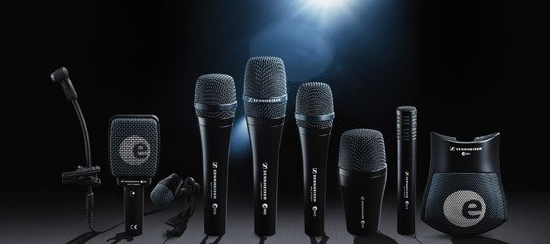
Instrumental microphones are designed to capture and reproduce the sound of musical instruments accurately and naturally. They are available in models suitable for guitars, violins, pianos, percussion instruments, wind instruments and many other musical instruments. Since each instrument has its own sound characteristics, it is important to consider the microphone's frequency response when choosing instrumental microphones. During live performances, instrumental microphones help ensure that the sound of an instrument is clearly heard on stage. In the studio, they can capture detailed and balanced recordings of musical instruments. Dynamic and condenser instrumental microphones offer different options for various applications. Models that can withstand high sound pressure levels are particularly suitable for drums and other loud instruments. Instrumental microphones are widely used on professional stages, as well as in home and project studios. Choosing the right model helps preserve the instrument's distinctive tone. This makes instrumental microphones an essential part of music equipment.
What to consider when choosing instrumental microphones
When choosing instrumental microphones, the type of musical instrument being used should be the first consideration. Different instruments may require instrumental microphones with different frequency characteristics. Microphone sensitivity, polar pattern and frequency response have a direct impact on sound quality. For live events, it is advisable to choose durable instrumental microphones that can withstand stage conditions. Studio recordings may require models capable of capturing more detailed sound. Cardioid models help reduce unwanted surrounding noise. Microphone placement in relation to the instrument also has a significant effect on the result. When instrumental microphones are positioned at the right distance, sound can be recorded more cleanly and with better balance. Maximum sound pressure level should be considered, especially when working with loud instruments. Choosing suitable instrumental microphones can improve the quality of both live performances and studio recordings.
Dynamic and condenser options for instrumental microphones
Dynamic and condenser models are widely used among instrumental microphones. Dynamic instrumental microphones are known for their durable construction and ability to withstand high sound pressure levels. These models are a practical choice for live performances and loud musical instruments. Condenser instrumental microphones, on the other hand, can offer higher sensitivity and a wider frequency response. These features make them suitable for studio recordings and capturing detailed acoustic sounds. The environment in which the microphone will be used is one of the main factors when making a choice. Dynamic models can offer practical advantages among instrumental microphones intended for stage use. In the studio, condenser instrumental microphones can capture subtle details of an instrument more accurately. Both microphone types can deliver effective results across different musical genres. The main objective is to choose instrumental microphones that match the operating conditions and the sound characteristics of the instrument.
Instrumental microphones for live performances
Instrumental microphones play an important role in ensuring that the sound of musical instruments reaches the audience clearly during live performances. On stage, microphones must handle high sound levels, vibrations and noise generated by other equipment. For this reason, durability and reliable performance should be considered when choosing instrumental microphones. Models with cardioid and supercardioid polar patterns can help reduce unwanted stage noise. Proper microphone placement can also reduce the amount of sound picked up from stage monitors. Different instrumental microphones can be used for guitars, drums and wind instruments. Choosing a microphone stand or a specialised mounting accessory is also important for practical use. Instrumental microphones for stage performances should be suitable for long-term use. A high-quality model helps deliver clearer and more balanced live sound. For this reason, instrumental microphones deserve particular attention when selecting stage equipment.
Instrumental microphones for studio recording
In studio environments, instrumental microphones are used to capture the full range of sound details produced by musical instruments as accurately as possible. Frequency response and microphone sensitivity are particularly important when choosing instrumental microphones for this purpose. For instruments such as acoustic guitars, microphones with a wide frequency response can help capture a natural sound. Different microphone placement techniques can be used when recording pianos and drums. Using several instrumental microphones together can help create a stereo image and a wider soundstage. Condenser instrumental microphones are widely used in studios because their high sensitivity allows them to capture subtle sound details. The distance and angle between the microphone and the instrument can change the tonal balance of a recording. Therefore, proper positioning is an important step after selecting instrumental microphones. The right microphone and correct placement help preserve the instrument's natural character. For professional studio results, instrumental microphones should be selected according to their technical capabilities.
Instrumental microphones and preserving sound quality
Instrumental microphones are essential equipment for preserving the original sound characteristics of musical instruments. High-quality instrumental microphones can capture different frequencies in a balanced way. This is particularly important when recording the natural tone of acoustic instruments. A microphone's frequency response determines which parts of the sound are emphasised or reduced. If instrumental microphones are not selected correctly, they may introduce unwanted harshness or muddiness into an instrument's sound. For this reason, the microphone's technical specifications should be compared with the characteristics of the instrument being used. Choosing instrumental microphones that suit the sound source can also reduce the workload during the mixing process. Correct microphone placement further affects the overall sound balance. High-quality instrumental microphones help deliver more consistent results in both live and studio applications. The right choice can ensure that the sound of a musical instrument is reproduced more cleanly, clearly and naturally.
How to choose the right instrumental microphone model
To choose the right instrumental microphone, it is important to determine its intended application first. The choice of instrumental microphones may vary depending on whether they will be used for live performances, studio recording, rehearsal rooms or home recording. The sound pressure level produced by the instrument should also be considered. Instrumental microphones with high sound pressure handling capabilities may be more suitable for loud instruments. Models with higher sensitivity can be a better choice for acoustic instruments and detailed sound capture. The microphone's polar pattern is another important selection criterion. Among instrumental microphones, cardioid models offer a practical solution for both stage and studio use. The microphone's connection type and compatibility with the sound system should also be checked in advance. The right instrumental microphone has a positive impact on both sound quality and the overall usability of the equipment. The Prostage.az catalogue offers a range of instrumental microphones to suit different requirements.
Instrumental microphones in the Prostage.az catalogue
Prostage.az offers a selection of instrumental microphones for different musical instruments and applications. When browsing the catalogue, you can compare the technical specifications of available models. It is important to pay attention to the main features of each microphone to find one that suits your intended use. The range includes practical models for live performances as well as more sensitive options for studio recording. When making a selection, consider the microphone's frequency response, sensitivity and polar pattern. Instrumental microphones are used to capture and reproduce the sound of musical instruments more accurately and clearly. Choosing the right model is important for both professional musicians and users involved in audio recording. The instrumental microphones available in the catalogue can be considered for use with different equipment systems. The operating environment and the sound characteristics of the instrument should be the main factors in your decision. Visit the Prostage.az catalogue to learn more about instrumental microphones and find a suitable model.