









Passive Mixers
Axtarışa uyğun nəticə tapılmadı
Zəhmət olmasa, başqa axtarış yoxlayın
Passiv mikşer | Peşəkar səs sistemləri və mikserlər
What is a passive mixer and what is it used for?
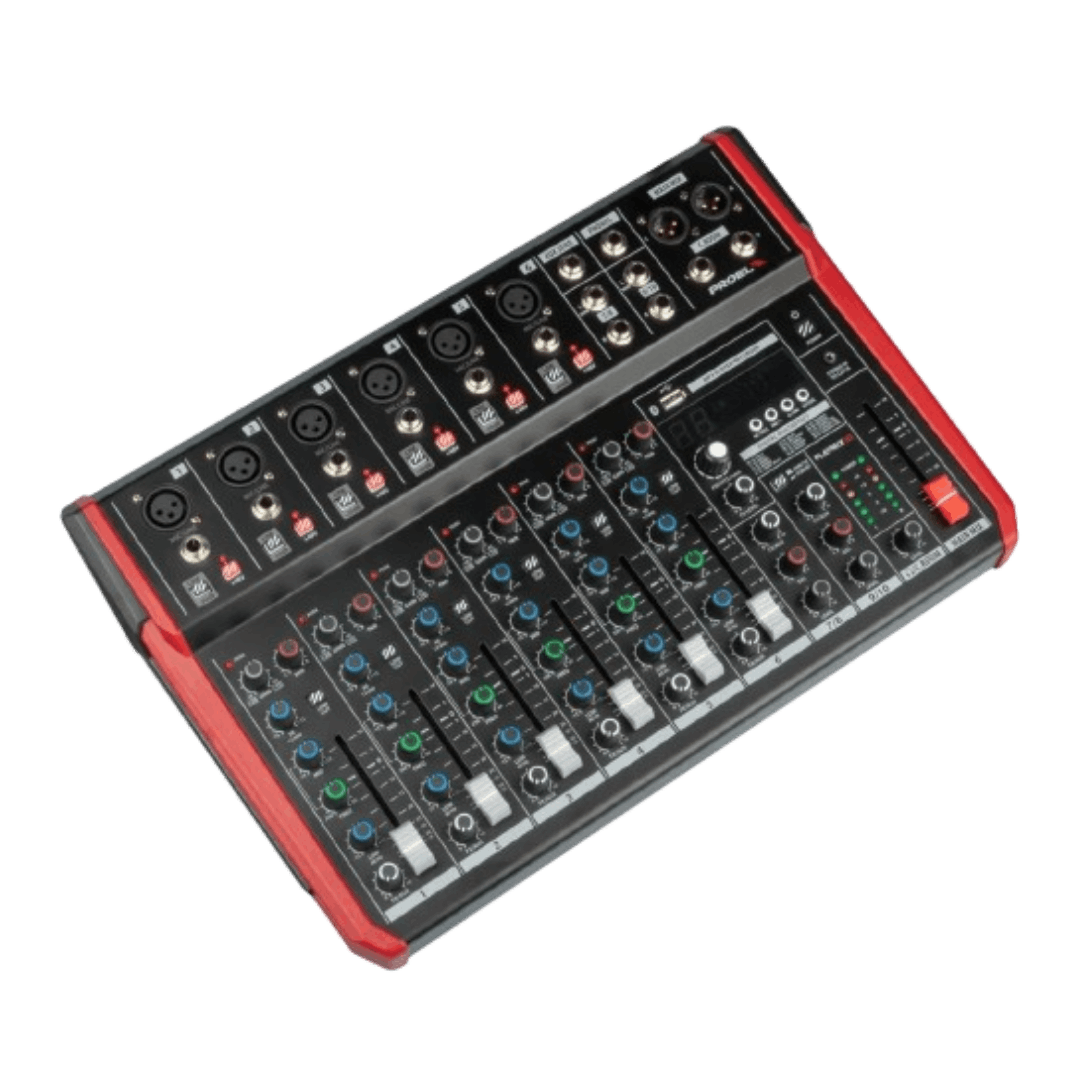
A passive mixer is an audio device that allows audio signals from different sound sources to be managed and combined. Passive mixer models are particularly useful for stage setups, events, concerts and various sound systems. This equipment makes it easier to manage signals from microphones, music players and other audio sources within a single system.
When choosing a passive mixer, it is important to determine its intended purpose in advance. The size of the sound system and the equipment that will be connected directly influence the choice. Models with more inputs and flexible control options are generally preferred for professional events. More compact passive mixers may be sufficient for smaller venues.
Compatibility with other equipment should also be considered to maintain sound quality. A passive mixer can be a practical choice for both those building a new sound system and those looking to expand an existing setup. Choosing the right passive mixer makes it easier to manage audio sources and use the system more efficiently.
What features should you consider when choosing a passive mixer?
When selecting a passive mixer, the first things to consider are its input and output capabilities. The number of microphones and other audio sources that will be connected is one of the main factors in choosing the right model. Since the number of required inputs may vary depending on the project, it is also worth considering future needs.
The mixer's control options play an important role in ease of use. Precise volume adjustment allows for more stable audio management during events. The device's size and design should also suit the space where it will be installed.
Compact passive mixer models are often a convenient choice for portable applications. Professional stage systems, however, may require models with more extensive functionality. Technical compatibility with other audio equipment should also be checked before making a purchase. Choosing a suitable passive mixer improves both ease of use and the overall efficiency of the sound system.
Input and output capabilities of a passive mixer
The number of inputs and outputs is one of the main features that determines which sound systems a passive mixer can be used with. For events involving multiple microphones, choosing a passive mixer with more inputs is recommended. Music players and other audio sources may also require additional inputs.
For this reason, it is important to consider not only current requirements but also potential future applications when selecting a passive mixer. The number and type of outputs determine which sound systems the mixer can connect to. Compatibility with speakers, amplifiers and other components is essential.
Checking connection options in advance can help prevent technical issues later. Different input and output configurations allow the device to be used in a wider range of applications. Flexible connectivity also makes sound system management easier in professional environments. Therefore, when purchasing a passive mixer, it is important to evaluate both its technical specifications and its compatibility with existing equipment.
Where can a passive mixer be used?
A passive mixer can be used to manage sound systems in a wide range of venues. Concert halls are among the most common environments where passive mixers are used. This equipment can also help manage microphones and music sources in event and presentation spaces.
Suitable passive mixer models offer practical solutions for sound systems installed in restaurants and cafes. Mixers are also important components of mobile sound systems used at weddings and celebrations. In educational facilities and conference rooms, passive mixers can be used to manage multiple microphones.
In studios, selecting a model that matches the specific audio setup is essential. Compact passive mixers are often more convenient for small and medium-sized venues. Larger stages may require models with more extensive input and control options. Identifying the intended installation environment in advance makes it easier to choose the right passive mixer.
Passive mixers in event and stage sound systems
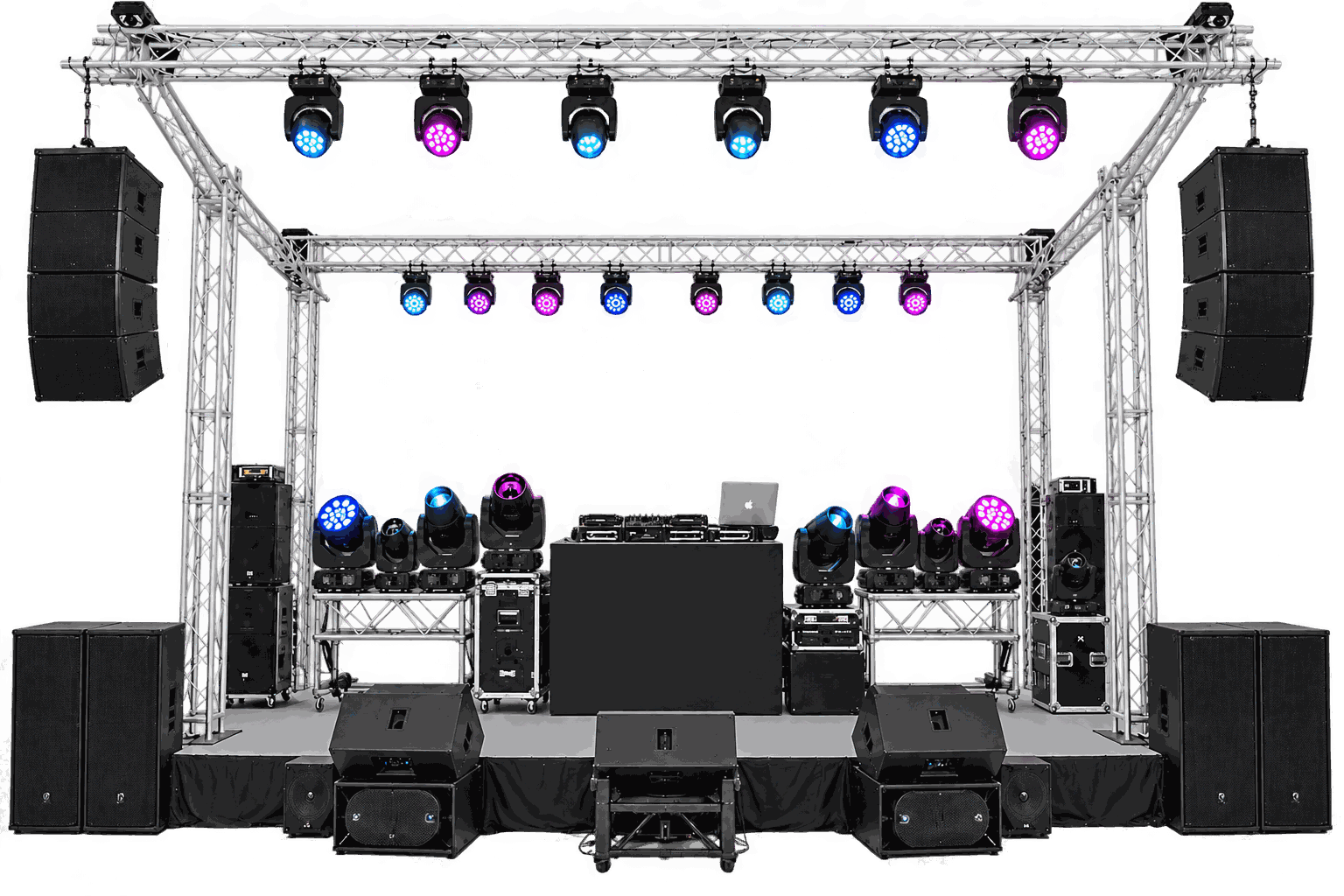
A passive mixer allows different audio sources to be managed from a central point in event and stage sound systems. When several microphones are used on stage, a passive mixer makes it easier to control their signal levels. Music and other audio sources can also be integrated into the system more conveniently through the mixer.
Selecting a passive mixer that suits the event format can have a positive impact on the overall operation of the sound system. Proper volume management is particularly important during live performances. For this reason, the mixer's features should be evaluated according to actual operating conditions.
Models that are easy to transport offer practical advantages for mobile events. Permanent stage installations, on the other hand, may require more extensive connectivity and control options. A more effective result can be achieved when the passive mixer is properly connected to the other audio equipment.
When choosing a mixer for stage use, the scale of the event, the number of participants and the audio sources involved should all be considered.
Passive mixer compatibility with other audio equipment
A passive mixer is one of the main components of a sound system and is generally used together with other equipment rather than on its own. It is important to ensure compatibility with microphones, amplifiers, speakers and other audio devices.
When choosing a passive mixer, the technical specifications of the existing sound system should be taken into account. Incompatible connections can negatively affect sound quality and the stable operation of the equipment. Checking the specifications of all components before purchasing a passive mixer is therefore a practical step.
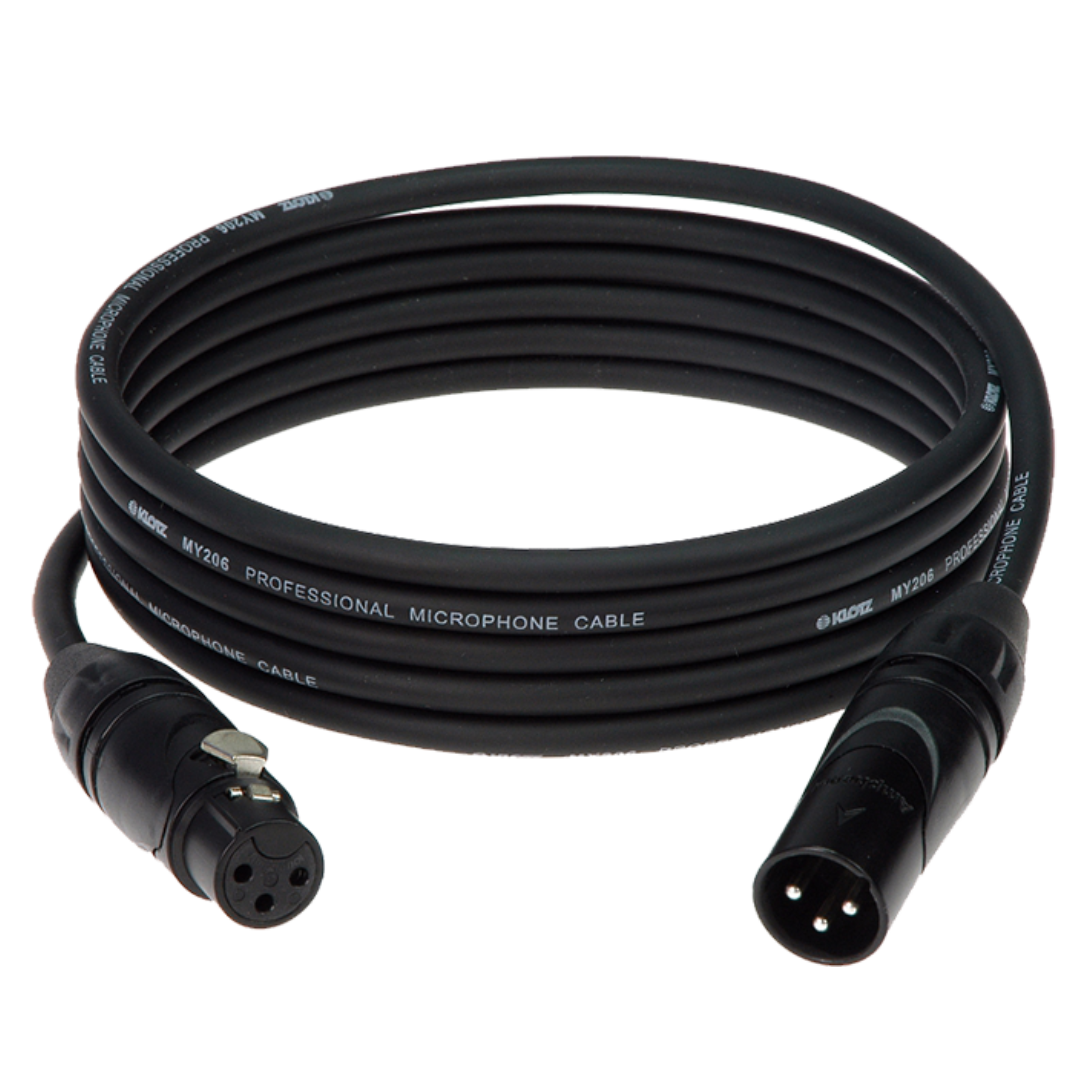
Cable types and connection standards are also important considerations. In professional sound systems, the correct operation of all components directly affects the overall performance. It is better to consider the entire sound system rather than focusing solely on the features of the mixer.
Choosing a mixer that matches the number and functions of the existing devices can help avoid unnecessary expenses and technical difficulties. In a properly configured system, a passive mixer makes audio source management more convenient and efficient.
The connection between passive mixers and sound amplification systems
A passive mixer plays an important role in managing audio signals and works alongside other components of a sound system. Choosing a passive mixer that is compatible with the amplifier helps ensure stable system performance.
It is important to determine in advance which device will receive the audio signal from the mixer's output. Technical compatibility between a passive mixer and an amplifier is one of the essential requirements for a properly configured sound system.
The specifications of the speakers should also be considered during the selection process. The power requirements of the sound system and the size of the venue play an important role in choosing the mixer and other components.
When managing different audio sources, the passive mixer should work in accordance with the overall system configuration. Proper connections between the equipment allow audio signals to be transmitted more reliably. Therefore, when choosing a mixer, it is important to consider technical compatibility as well as price. The right passive mixer makes sound system management more convenient and effective.
Passive mixer selection options at Prostage.az
When choosing a passive mixer, it is important to find a model that suits its intended application and the existing sound system. At Prostage.az, you can explore the models available in the passive mixer category and compare different options.
Each passive mixer may offer different technical specifications and application possibilities. Before selecting a product, it is important to carefully review the number of inputs, output options and other technical features.
Different environments, including events, stages, restaurants and conference rooms, may require different passive mixer configurations. Identifying the intended use makes it easier to find a suitable model.
Taking the specifications of your existing equipment into account can also help you make a better choice. If you plan to expand your sound system in the future, it is worth considering whether the mixer will meet your additional requirements.
The right passive mixer makes audio management easier and allows you to get more efficient use out of your sound system. Explore the passive mixer models available in the Prostage.az catalogue to find an option that meets your requirements.
How to choose the right passive mixer?
The first step when purchasing a passive mixer is to determine its intended purpose and the requirements of your sound system. Next, consider the number of microphones and other audio sources that will be connected. The mixer's input and output capabilities should match these requirements.
Compatibility with other audio equipment is another important factor in the purchasing decision. The size of the venue and the event format should also be taken into account.
For mobile applications, models that are easy to transport and install may be more practical. Permanent sound installations may benefit from passive mixers with more extensive functionality.
When setting a budget, it is important to consider not only the price of the mixer but also the requirements of the entire sound system. Comparing technical specifications makes it easier to identify a model that meets your needs.
With the right choice, a passive mixer can make your sound system easier to manage and improve the overall efficiency of its operation.