




Powered Mixers
Axtarışa uyğun nəticə tapılmadı
Zəhmət olmasa, başqa axtarış yoxlayın
Aktiv mikşer modelləri | ProStage səs avadanlığı
Powered mixer
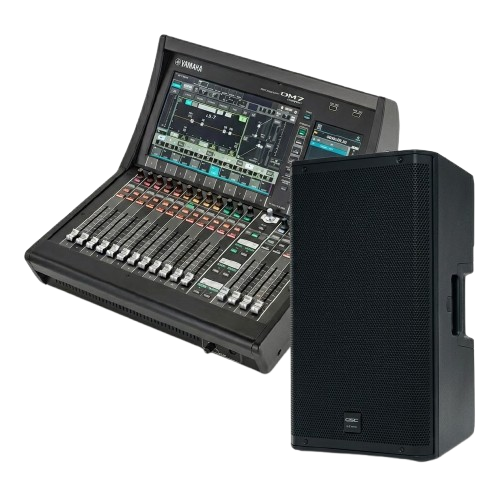
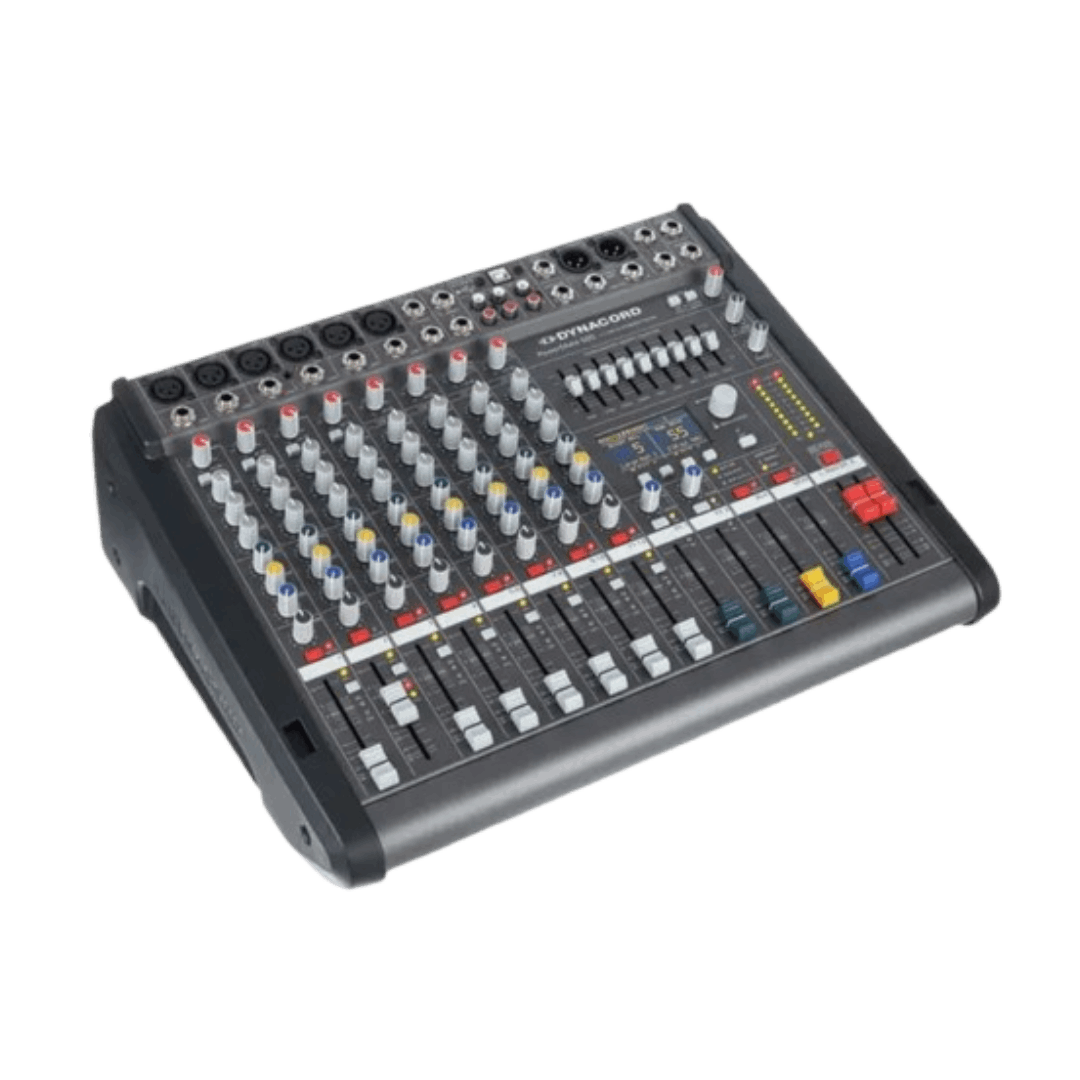
A powered mixer is a piece of audio equipment that makes sound systems easier to operate and more functional. It allows audio signals to be received, processed and controlled. A powered mixer is a practical solution for various events, stage performances, concerts, presentations and other sound system applications. Using this type of mixer can reduce the need for additional equipment to some extent. Powered mixers allow users to control volume levels, tone and other audio parameters. When choosing a powered mixer, it is important to consider its intended use and the overall configuration of the sound system. The number of channels is one of the key selection criteria. The input and output options of a powered mixer should match the number of microphones and other audio sources that will be connected. For professional applications, a wide range of control options makes the sound operator's work easier. The powered mixer options available at ProStage offer solutions for different sound system requirements.
Choosing a powered mixer
When choosing a powered mixer, the first step is to determine its intended application. The requirements for a powered mixer designed for small events may differ from those of a model used in large stage systems. The number of microphones, music sources and other audio devices to be connected determines the appropriate channel count. The number of inputs should also be selected with potential future requirements in mind. A user-friendly control panel is an important advantage, especially during extended use. When volume controls and other settings are easily accessible, the operator can work more efficiently. The equipment's size and portability should also be considered. A powered mixer used for mobile events may have a more compact and practical design. Fixed installations, on the other hand, may require more inputs and advanced control options. Choosing the right powered mixer helps ensure that the sound system operates more reliably and efficiently.
Powered mixer models
Powered mixer models differ in their technical specifications, channel counts and available features. Each powered mixer is designed to suit particular applications. Some models are intended for systems with a smaller number of audio sources, while others are suitable for more extensive setups. When choosing a powered mixer, it is especially important to evaluate its channel configuration and connectivity options. It should have suitable inputs for connecting microphones, music players and other audio sources. Differences in the available controls allow users to choose a model that meets their specific requirements. As the sound system becomes larger, more channels and flexible control options may be needed. When comparing powered mixer models, it is important to consider their technical capabilities rather than focusing on price alone. How well the equipment suits everyday use is a more important factor for long-term performance. At ProStage, you can compare the technical specifications of powered mixers to find a model that meets your needs.
Setting up a sound system with a powered mixer
A powered mixer allows different audio sources in a sound system to be controlled from a central point. This makes it easier to adjust the sound during events. It can be used to manage signals received from microphones and other audio sources. To set up a sound system correctly, the compatibility of all connected devices should be considered in advance. When choosing a powered mixer, it is important to check the connection options of the existing audio equipment. Properly connecting microphones, sound sources and other devices affects the overall efficiency of the system. Centralized control in systems using powered mixers can make the operator's work more convenient. Depending on the event format, volume levels and other settings may need to be adjusted in different ways. A powered mixer makes it easier to carry out these adjustments quickly and flexibly. The right powered mixer helps users make more efficient use of their sound system's capabilities.
Applications of powered mixers
A powered mixer is versatile audio equipment that can be used in a wide range of settings. It is commonly used at concerts, live music performances and stage events. Powered mixers are also a practical choice for managing microphones and other audio sources during presentations and corporate events. This equipment can be used when setting up sound systems in educational institutions and various event venues. Models are available for different requirements, ranging from small gatherings to larger stage productions. For mobile events, portability and ease of installation are particularly important. In fixed sound systems, channel count and connectivity options may become more important selection criteria. Choosing a powered mixer according to its intended application can make the sound system easier to operate. Comparing the equipment's technical specifications with the requirements of the event is essential for making the right choice. You can explore the powered mixer options at ProStage to find audio equipment that suits your needs.
Powered mixers and channel count
The number of channels is one of the main factors determining the future capabilities of a powered mixer. It should be selected according to the number of microphones and other audio sources that will be used. A compact powered mixer may be sufficient for systems with only a few audio sources. Larger events, however, may require more channels to accommodate additional microphones and audio devices. When choosing a powered mixer, it is useful to consider not only current requirements but also potential future needs. A higher channel count does not always mean a better choice. The main consideration is whether the equipment suits the actual application. How easily the channels can be controlled directly affects the operator's workflow. A powered mixer with the right number of channels can offer a better balance of functionality and ease of use. For this reason, it is recommended to identify all the audio sources that will be used in the sound system before making a decision.
Powered mixers and connectivity options
Connectivity is an important factor to consider when choosing a powered mixer. The input requirements of the microphones and other audio devices used in the sound system should be identified in advance. Having the appropriate inputs allows different devices to be connected and used conveniently within a single system. The number and types of outputs should also match the overall sound system configuration. In systems that use multiple audio sources, a wider range of connectivity options can provide additional flexibility. When choosing a powered mixer, it is worth considering not only the equipment currently in use but also devices that may be connected in the future. This approach can help reduce the need to replace or upgrade equipment later. The connectivity options of a powered mixer determine which types of sound systems it can work with most effectively. Ensuring compatibility between audio devices is essential for stable operation. At ProStage, you can evaluate powered mixers by comparing their connectivity options with other technical specifications.
Powered mixers and ease of control
Ease of control is another important factor when selecting a powered mixer. Giving the sound operator convenient access to all essential settings allows quick adjustments during events. A logically arranged control panel makes everyday operation easier. Being able to adjust volume levels and other parameters quickly is particularly important during live performances. In systems using powered mixers, operators can monitor and manage audio sources more conveniently. The size of the equipment and the layout of its control panel also affect ease of use. For systems that need to be transported frequently, a compact powered mixer may be a more practical choice. Fixed installations, on the other hand, may benefit from more extensive control options. When choosing a powered mixer, it is important to assess its practical usability alongside its technical specifications. The right powered mixer can make operating a sound system simpler and more efficient.