






DMX

Axtarışa uyğun nəticə tapılmadı
Zəhmət olmasa, başqa axtarış yoxlayın
DMX səhnə işıqları və idarəetmə avadanlıqları
What is DMX equipment used for?
DMX is one of the most widely used technologies for controlling stage and event lighting. It allows the functions of different lighting fixtures to be adjusted through a single control system. The brightness, colour, movement and various effects of stage lights can all be managed using DMX. At professional events, DMX makes it possible to create more precise and coordinated lighting setups.
At concerts, DMX allows lighting effects to change in time with the music. In theatre productions, it makes it easier to prepare different lighting scenes for each part of a performance. At weddings and other events, DMX helps control decorative lighting as a unified system. In clubs and entertainment venues, it plays an important role in creating dynamic lighting effects.
Different types of DMX equipment can be used together within a single system to provide a wider range of lighting possibilities. The DMX solutions available in the Prostage.az catalogue offer suitable options for users who want to build more functional stage and event lighting systems.
DMX control capabilities
A DMX system allows multiple lighting fixtures to operate under the same control logic. It provides precise control over light brightness, while colour changes can be programmed to create different atmospheres. The direction and movement speed of moving lights can also be adjusted through DMX.
DMX channels make it possible to control different lighting functions separately. This gives stage operators greater control and flexibility. Lighting scenes can be changed during an event according to specific requirements. The system also allows pre-programmed lighting sequences to be played in a set order.
Professional lighting operators use DMX capabilities to create more complex stage effects. For this reason, DMX is considered one of the most widely used control solutions in modern stage lighting.
DMX and stage lighting
When used with stage lights, DMX makes it possible to coordinate different lighting fixtures. Operating several lights simultaneously becomes easier with DMX control. The system can manage lighting fixtures individually or in groups.
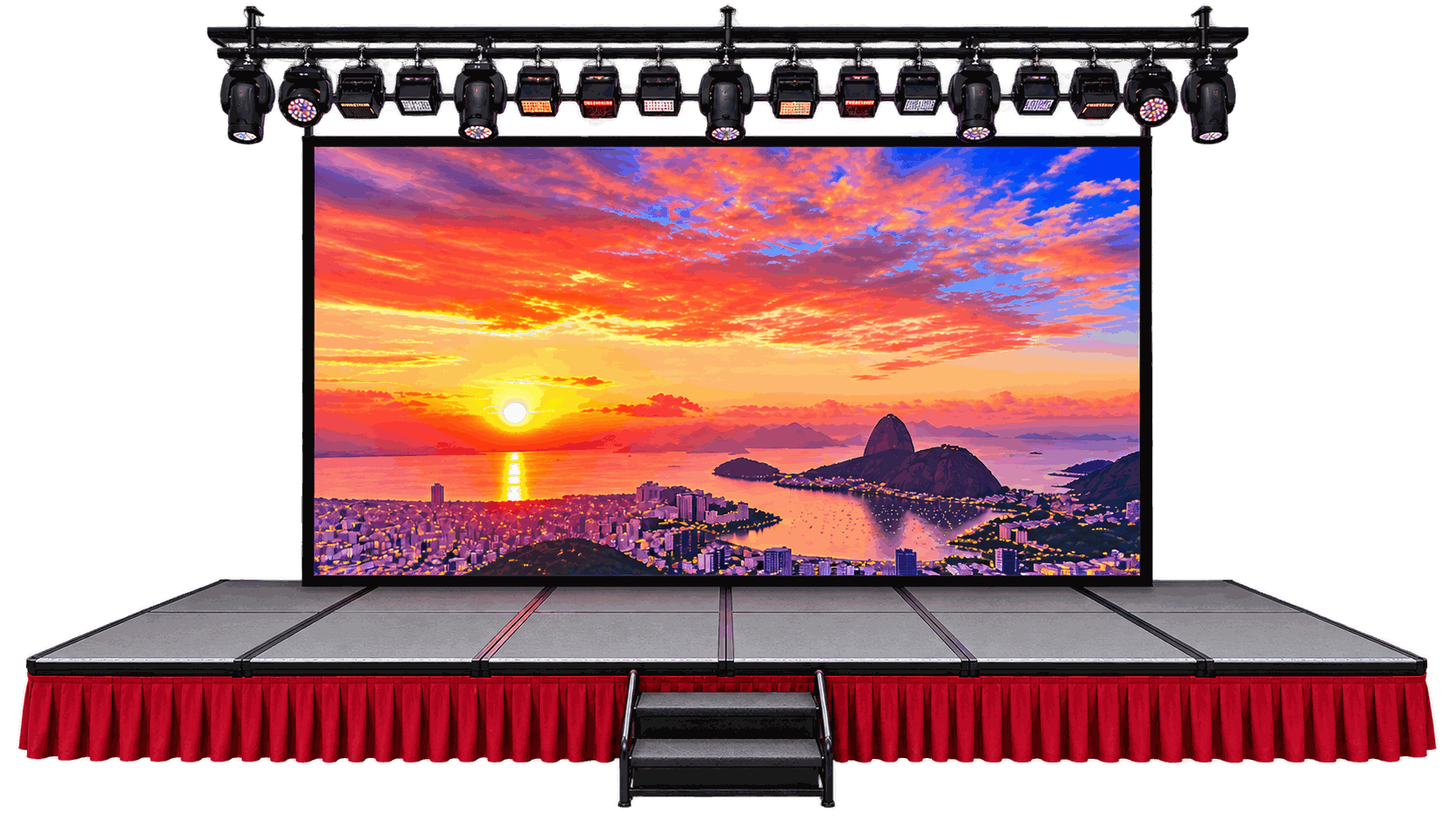
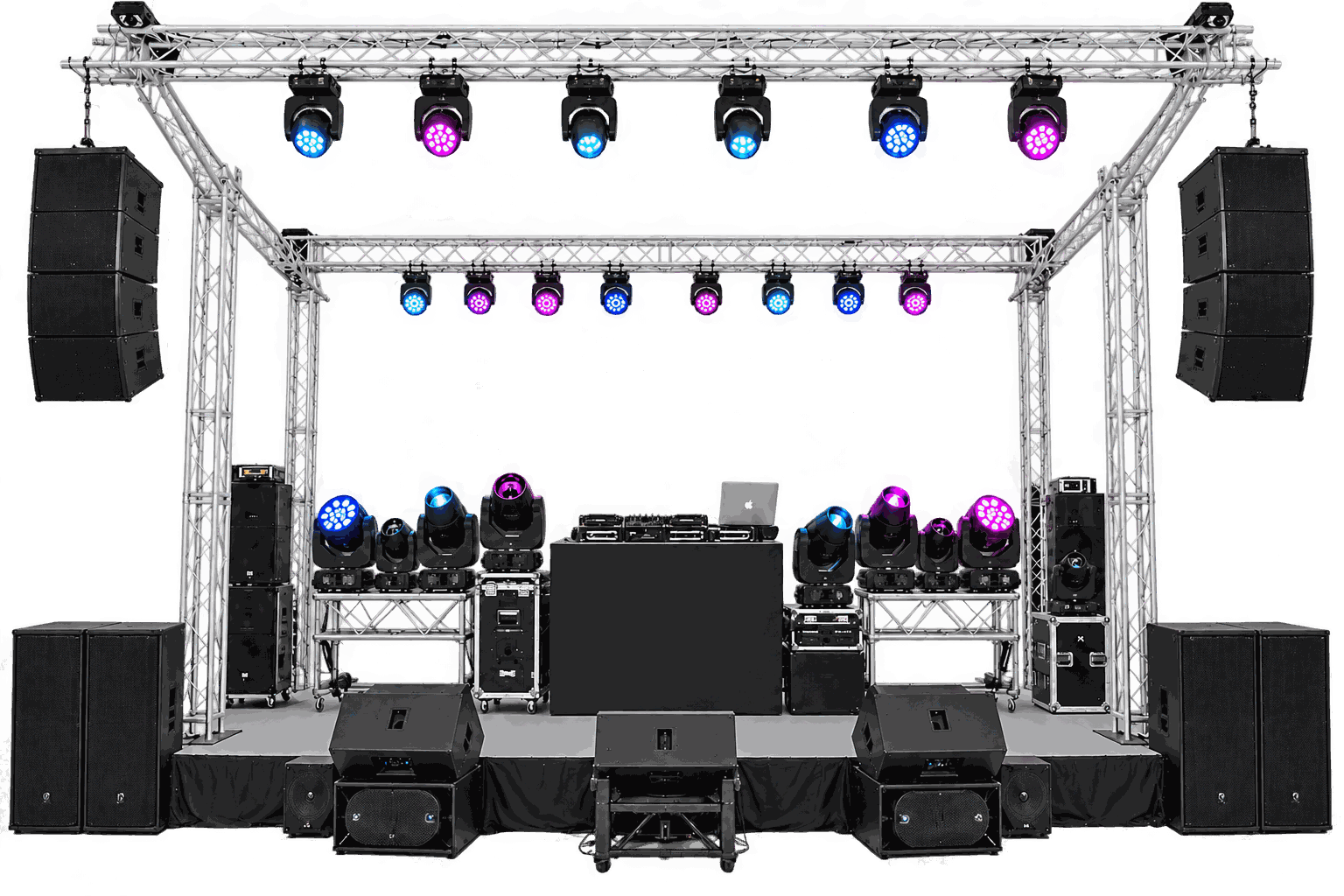
Spotlights, moving heads, LED fixtures and other stage lights can be integrated into a DMX system. Their colours can be changed to match the concept of an event, while the sequence of lighting effects can also be controlled through the system.
This approach is particularly useful for large events, where it helps create a more organised lighting setup. DMX-controlled lighting systems give operators the flexibility to make changes during an event. Preparing lighting scenes in advance also makes technical preparations more straightforward. As a result, DMX helps users make more effective use of their stage lighting equipment.
Main advantages of DMX systems
One of the main advantages of DMX systems is their ability to control different lighting fixtures through a unified approach. Using DMX makes stage lighting management more organised and flexible. Controlling several fixtures at the same time also makes the operator's work easier during an event.
DMX allows different lighting effects to be programmed within a single system. It can also make it easier to synchronise lighting with music, video and stage performances. DMX equipment can be used in different configurations to suit events of various sizes.
Simple lighting control systems may be sufficient for smaller events, while larger stages may require more advanced setups. The flexibility of DMX makes it suitable for concerts, theatre productions, weddings, clubs and corporate events. Properly selected DMX equipment provides greater control over the lighting process.
You can explore DMX solutions on Prostage.az and compare the available options to find equipment that meets your event's technical requirements.
Controlling lighting effects with DMX
DMX allows lighting effects to be managed with greater precision and consistency. Depending on the functions of a lighting fixture, the system can control various parameters. Brightness levels can be adjusted to suit different moments of an event, while colour transitions can be programmed more easily.
For moving lights, functions such as pan and tilt can also be controlled using compatible equipment. The frequency and intensity of strobe effects can be adjusted to match the atmosphere of an event. DMX makes it possible to apply different lighting effects in sequence within a single stage setup.
Operators can quickly switch between pre-programmed scenes during an event. This helps create more dynamic lighting at live performances. DMX-controlled effects can also enhance the visual presentation of a stage and give it a more professional appearance.
What to consider when choosing DMX equipment?
When choosing DMX equipment, the first step is to determine how many lighting fixtures will be used. The system should be selected according to the size of the event and the functions of the equipment involved. Compatibility between DMX control capabilities and the lighting fixtures being used is also important.
The number of channels is one of the main factors affecting how many functions a system can control. Larger events may require DMX solutions with more extensive control capabilities, while simpler systems may be sufficient for smaller occasions.
Proper connections between lighting fixtures are essential for stable system operation. The quality of DMX cables and other connection components should also be considered. It is worth thinking ahead about whether additional lights may need to be connected to the system in the future.
You can explore the DMX category in the Prostage.az catalogue to compare solutions for different lighting requirements.
Choosing DMX equipment for your event
The right DMX setup depends on the format and purpose of the event. When choosing a DMX system for a concert, it is important to consider the control of moving lights and dynamic effects. At weddings, DMX can be used to adjust the colours and brightness of decorative lighting.
In theatre productions, DMX allows pre-programmed lighting scenes to be used for different parts of a performance. In clubs, it offers extensive control over rhythmic and dynamic lighting effects. At corporate events, DMX may be used primarily to illuminate the stage, logo and presentation area.
Compact DMX control solutions may be more practical for smaller venues, while larger stages may require systems capable of managing numerous lighting fixtures. Choosing the right DMX equipment is important for both technical convenience and the overall visual quality of an event.
For this reason, it is important to consider not only the price of the equipment but also how well the entire system meets your requirements.
What possibilities does DMX offer for stage control?
DMX makes stage control more flexible and organised. Lighting operators can adjust the parameters of different fixtures through a unified control system. It also allows different lighting levels to be created for separate areas of the stage.
The backstage area, main stage and audience area can each be managed using separate lighting scenes. Applying several lighting effects simultaneously is also easier with DMX. The timing of lighting changes can be coordinated with the overall event programme.
During musical performances, DMX allows lighting effects to change in time with the rhythm. New lighting scenes can also be prepared whenever the stage programme changes. The flexible structure of DMX systems makes them suitable for a wide range of event formats.
For these reasons, DMX technology remains an important control solution in professional stage lighting.
Creating professional lighting with DMX
Proper planning of DMX equipment is an important step when building a professional lighting system. First, the size of the venue and the stage layout should be determined. The number and functions of the lighting fixtures to be used must then be taken into account.
When selecting a DMX control system, it is important to calculate the number of channels required by all connected fixtures. The positioning of the lights can also affect the overall system configuration. Different lighting scenes can be prepared to suit the main areas of the stage.
DMX allows lighting transitions to be made either smoother or more dynamic. Well-timed effects can strengthen the overall visual presentation of an event. A properly configured DMX system gives operators greater control and makes it easier to manage lighting during a performance.
As a result, DMX helps bring together the technical and creative aspects of professional stage lighting within a single system.
DMX equipment at Prostage.az
The DMX category on Prostage.az is designed for users who want to explore suitable equipment for stage and event lighting. DMX products can be used to control different types of lighting systems. The solutions available in this category help users choose equipment according to their event's technical requirements.
Before setting up a lighting system, it is useful to identify the functions of the fixtures that will be used. When choosing DMX equipment, the characteristics of the lights to be controlled should also be taken into consideration.
You can browse DMX products in the Prostage.az catalogue and compare suitable options. A DMX system makes it easier to manage lighting effects during an event. Compatible DMX solutions can be used to connect different stage fixtures within a single system.
Depending on the size of the event, you can choose a simpler DMX setup or a system with more extensive functions. Visit the DMX category on Prostage.az to explore equipment suitable for your stage lighting needs.