






LED screen

Axtarışa uyğun nəticə tapılmadı
Zəhmət olmasa, başqa axtarış yoxlayın
LED ekran. Tədbir və səhnə üçün keyfiyyətli görüntü
LED screen
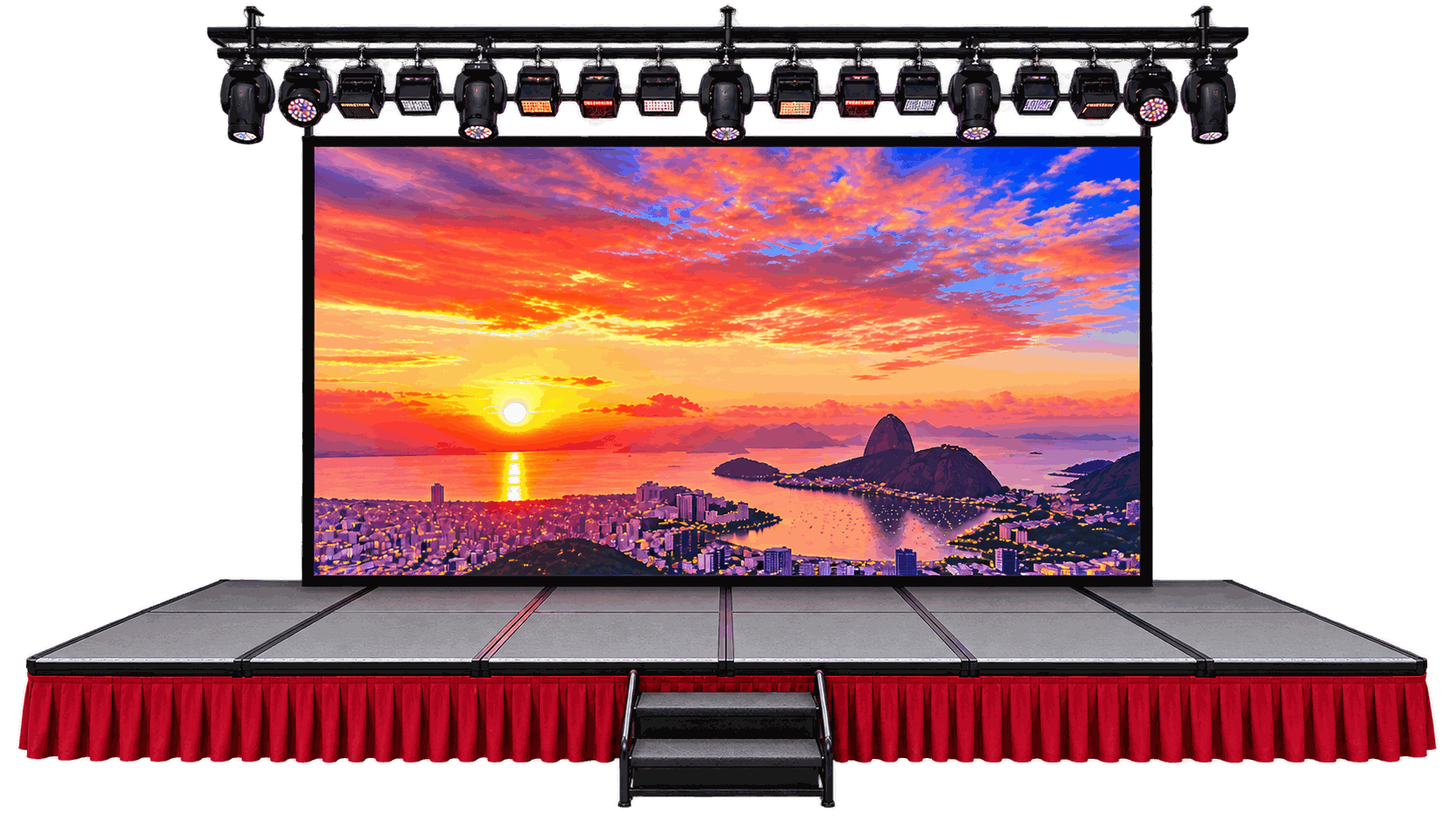
An LED screen is modern display equipment used to present visual content at events, concerts, festivals, presentations, advertising campaigns and various other venues. LED screen technology stands out for its bright images, high contrast and wide viewing angles. These systems can be used effectively in both outdoor events and indoor spaces. An LED screen can display videos, images, advertisements, live broadcasts, presentations and animations. Its size, pixel pitch and brightness level should be selected according to the intended use. A high-quality LED screen ensures that images remain clear even when viewed from a distance. The right LED screen gives an event a more professional and impressive appearance. At Prostage.az, you can explore different LED screen models suitable for a wide range of applications.
Where are LED screens used?
LED screens are used in various industries to deliver visual information to large audiences. At concerts and festivals, they help display stage visuals to spectators. During outdoor events, their high brightness allows content to remain visible even in daylight. At corporate events and conferences, LED screens make presentations, charts and video materials easier to view. Shopping centres, retail stores and advertising spaces use them to display promotional content and campaign information. In stadiums and sports arenas, LED screens are used for scoreboards, live footage and advertisements. They also make it possible to create different visual backgrounds in television studios and event stage designs. Choosing a model that suits the intended application ensures more effective and long-lasting performance.
Choosing the right LED screen size
The size of an LED screen should be determined according to the dimensions of the venue, the viewing distance and the type of content being displayed. Compact LED screen models may be a suitable choice for smaller indoor spaces. Large stages and outdoor events, on the other hand, require LED screens with a wider display area. When selecting the screen size, it is important to consider how far the audience will be from the display. If the LED screen will be positioned at a considerable distance, its dimensions and brightness should be calculated carefully. The screen's height and width should also complement the overall stage layout. Choosing the right size makes content easier to view and helps maintain the visual balance of the venue. In addition to physical dimensions, the technical specifications of the LED screen should also be taken into account.
LED screens and image quality
LED screen image quality is assessed through factors such as brightness, contrast, colour accuracy and refresh rate. A high-quality LED screen produces vivid and clear colours, making displayed content more engaging. Contrast determines how accurately the difference between dark and bright areas is reproduced. The brightness level should be selected according to the lighting conditions of the venue. Outdoor applications may require higher brightness, while a softer image may be sufficient for indoor spaces. Refresh rate is particularly important during live broadcasts and camera recording. Choosing an LED screen with suitable technical specifications helps reduce the risk of flickering and image quality loss. For this reason, the video source and the type of content being displayed should also be considered when selecting a screen.
The importance of pixel pitch in LED screens
Pixel pitch is one of the main specifications that determines image detail and viewing comfort on an LED screen. It refers to the distance between individual LED pixels on the display. A smaller pixel pitch can provide greater image clarity when the screen is viewed from a short distance. When choosing an LED screen, it is important to consider its installation distance and the audience's viewing position. The pixel pitch required for conferences, studios and indoor events may differ from that of screens designed for large stages. For LED screens viewed from farther away, a wider pixel pitch may be sufficient in certain situations. The right pixel pitch helps prevent images from appearing pixelated or blurred. Therefore, pixel pitch should be considered one of the key technical factors when purchasing an LED screen.
Indoor and outdoor LED screen models
An LED screen should be selected according to the conditions of the space where it will be used. Indoor LED screen models are generally designed to operate in more controlled lighting conditions. They can be suitable for conference halls, event venues, retail stores, studios and stage decorations. Outdoor LED screens, on the other hand, need to withstand external conditions such as sunlight, wind, dust and moisture. When choosing an LED screen for outdoor use, its protection rating and structural durability should be taken into account. The installation location, weather conditions and maintenance requirements should also be assessed in advance. Selecting a model that suits the environment helps ensure safe and reliable long-term operation. For this reason, indoor and outdoor models should be compared carefully before making a decision.
Power and installation requirements for LED screens
When installing an LED screen, the power supply, supporting structure and signal connections must be planned properly. Power consumption can vary depending on the screen size, brightness level and duration of use. The power line should meet the technical requirements of the LED screen. An unsuitable power connection can cause overheating, voltage problems and system malfunctions. During installation, it is important to secure the screen firmly while ensuring that it remains accessible for maintenance. The LED screen must be properly connected to its control system, and all signal cables should be arranged neatly. Outdoor installations require particular attention to protection against wind and moisture. A properly installed LED screen operates more consistently and delivers reliable images over an extended period.
How should an LED screen be protected during use?
To ensure long-term use, LED screens must be transported, stored and maintained correctly. Screen modules should be protected from impacts, pressure and moisture during transportation. When not in use, an LED screen should be stored in a clean, dry environment with suitable temperature conditions. Only cleaning products recommended by the manufacturer should be used to clean the screen surface. Placing heavy objects on the LED screen or applying excessive pressure to its surface is not recommended. Cables, connectors and power connections should be inspected regularly. If image loss, flickering or colour changes occur, the screen should undergo a technical inspection. Proper maintenance extends the service life of an LED screen and helps prevent potential technical problems during events.
Choosing an LED screen at Prostage.az
When selecting an LED screen, the intended application, venue size, viewing distance and technical requirements should all be considered together. Prostage.az offers a convenient way to explore LED screen models suitable for different event, advertising, stage and venue projects. The LED screen category includes models with various sizes, pixel pitches, brightness levels and usage characteristics. When choosing a product, it is particularly important to check whether it is designed for indoor or outdoor use. Additional components such as a control system, video processor, power equipment and mounting structure may also be required for an LED screen setup. Choosing the right model directly affects image quality and the reliable operation of the system. When an LED screen is selected according to technical requirements, event and advertising projects achieve a more professional appearance. You can explore LED screen models at Prostage.az and choose a display solution that suits your project.