







SUB

Axtarışa uyğun nəticə tapılmadı
Zəhmət olmasa, başqa axtarış yoxlayın
SUB modelləri ilə güclü və keyfiyyətli səs sistemi
Powerful bass performance with subwoofer models
Subwoofers are essential components of sound systems, helping deliver deeper, fuller and more powerful low frequencies. They are particularly useful for making bass sounds in music clearer and more impactful. When choosing a subwoofer, it is important to consider the size of the venue and the overall power of the sound system. At professional events, subwoofers help create a fuller and more dynamic stage sound. At concerts, they make the rhythm of the music feel more powerful. In clubs and entertainment venues, subwoofers create a more immersive audio experience for listeners. Subwoofer models are available with different power ratings and technical specifications. Choosing the right subwoofer helps achieve a more balanced sound when used alongside the main speakers. The acoustic characteristics of the venue are also among the key factors to consider. A high-quality subwoofer improves the overall performance of a sound system and helps music sound richer and fuller.
Key features to consider when choosing a subwoofer
The first thing to consider when choosing a subwoofer is its power rating. Its output should match the size of the venue and the expected sound level. Compact subwoofer models may be sufficient for smaller spaces, while large-scale events may require more powerful equipment. Frequency response is another important technical specification. A subwoofer that supports a wide low-frequency range can deliver deeper and fuller bass. Compatibility with active and passive systems should also be considered. Matching the subwoofer correctly with other system components has a direct impact on sound quality. Choosing a subwoofer that suits the intended application helps achieve effective output and overall performance. For this reason, it is important to consider not only power but also the other technical specifications of the system.
Subwoofers and professional sound systems
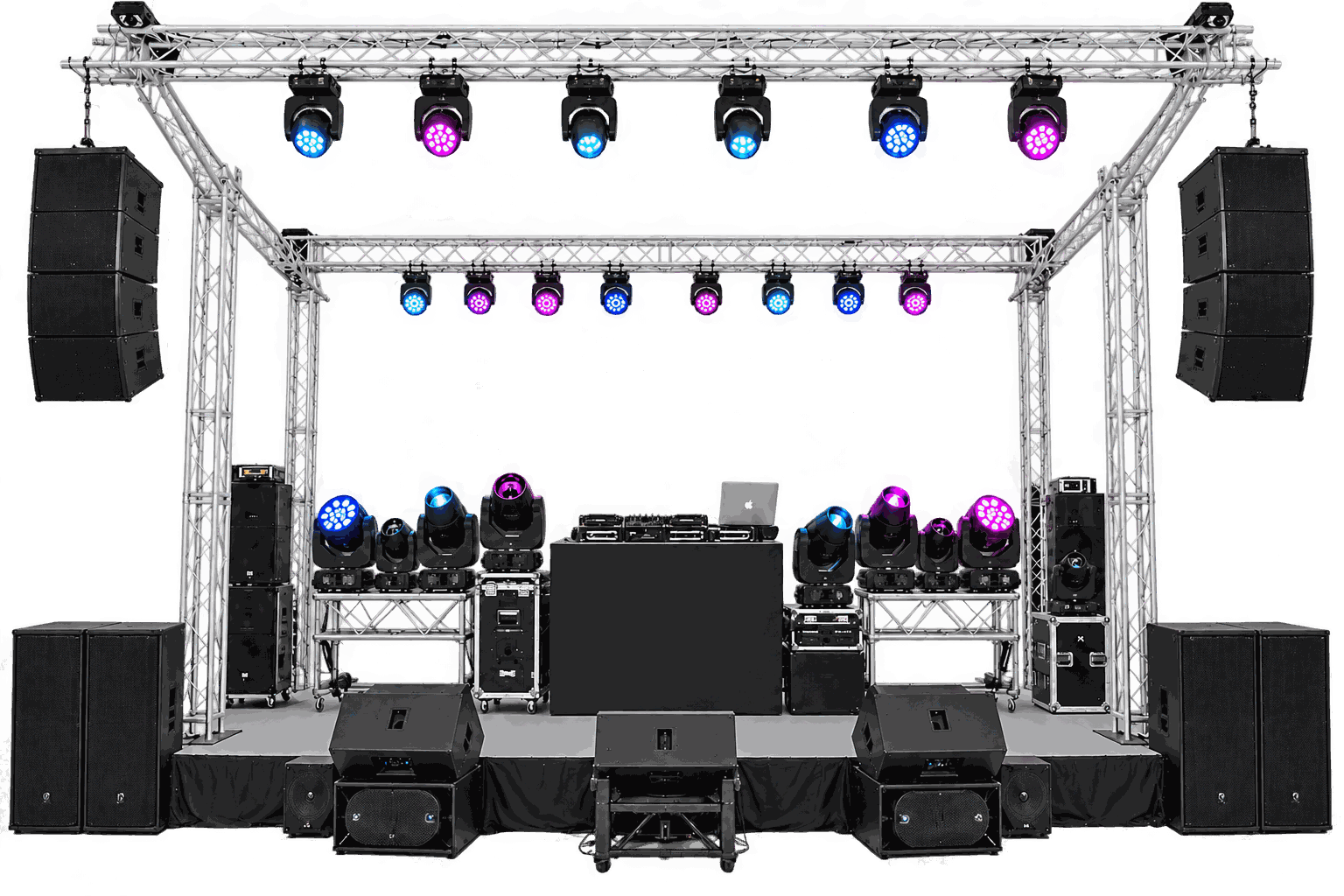
Subwoofers are among the essential components of professional sound systems. They help reduce the low-frequency load on the main speakers and distribute sound more effectively across the system. In professional stage setups, subwoofers make music sound more powerful and dynamic. High-quality low-frequency reproduction is particularly important at concerts and live music events. Subwoofers help deliver the rhythm and bass elements of music with greater clarity and impact. At large events, several subwoofers can be used together to provide wider sound coverage. Their placement should take into account the size and acoustic layout of the stage. Correctly positioned subwoofers can help distribute sound more evenly throughout the venue. When building a professional sound system, the main speakers, mixers and other equipment must also be selected to work well with the subwoofers. This approach allows the system to make better use of subwoofer capabilities and improves overall sound quality.
Suitable applications for subwoofers
Subwoofers are versatile audio devices suitable for a wide range of events and venues. At concerts, they help produce powerful, deep bass. At weddings and other large gatherings, they can make music sound fuller and more dynamic. In clubs and entertainment venues, subwoofers play an especially important role in reproducing rhythmic music. At outdoor events, they help deliver powerful low frequencies more effectively. Subwoofers can also be used in theatres and stage productions to make certain audio effects more impactful. In studios and dedicated audio environments, they can deliver good results when used with the right acoustic setup. Restaurants, lounges and other commercial venues can also benefit from subwoofer models selected according to their specific needs. When choosing a subwoofer, it is important to consider the venue size, audience capacity and type of music together. Selecting the right model for the intended application helps ensure more consistent and higher-quality sound system performance.
Compatibility with other sound equipment
Subwoofers are generally used together with other audio equipment rather than as standalone devices. When properly matched with the main speakers, they help deliver a wider and fuller frequency range. Subwoofer models designed for use with active speakers can offer a practical solution for certain systems. In passive setups, compatibility with the amplifier and other components is particularly important. Proper crossover settings between the subwoofer and main speakers help improve sound quality. Correct connections to mixers and other control equipment allow the subwoofer's performance to be managed more effectively. Cable selection and connection quality also play an important role in ensuring stable operation. When building a professional sound system, the technical specifications of all components should be considered together. Choosing compatible equipment affects both sound quality and the long-term reliability of the system. For this reason, it is best to evaluate a subwoofer as part of the existing or planned sound system before purchasing it.
Choosing the right subwoofer power rating
The size of the venue is one of the main factors when determining the required subwoofer power. A small indoor space may not need an excessively powerful model. Larger stages and outdoor events, however, may require subwoofers with higher power ratings. The subwoofer's power should also be matched to that of the main speakers. An underpowered subwoofer may not deliver the expected bass levels across the system. An excessively powerful model can also disrupt the sound balance if it is not configured correctly. Therefore, choosing a subwoofer requires more than simply comparing technical specifications. Its performance under actual operating conditions must also be considered. The acoustic properties of the venue can significantly affect how a subwoofer performs. A subwoofer with an appropriate power rating delivers more stable and controlled sound. For professional applications, its power should be evaluated in relation to the capabilities of the entire sound system.
The importance of subwoofer frequency response
Since subwoofers are primarily designed to reproduce low frequencies, their frequency response is an important specification. It indicates how effectively a device can reproduce different low-frequency sounds. A wider and more suitable frequency range can help deliver deeper and fuller bass in music. When choosing a subwoofer, it is important to look beyond the stated frequency response and consider how it performs in a real sound system. Proper crossover settings between the main speakers and subwoofer help produce cleaner sound. Incorrect crossover settings can make the bass sound either too dominant or too weak. The characteristics of the other equipment in the system should also be taken into account during configuration. In professional sound systems, managing subwoofer frequencies is an essential part of achieving overall audio quality. A well-chosen subwoofer reproduces low frequencies in a more controlled and impactful way. This is why its frequency response should be carefully evaluated before purchase.
Choosing a subwoofer based on the venue
The characteristics of the venue are among the most important factors when selecting a subwoofer. For smaller indoor spaces, a compact model with easily controlled output may be more suitable. Larger event venues may require more powerful subwoofers. Sound behaves differently outdoors, so subwoofer selection for open-air events requires particular attention. In addition to the venue size, the number of people attending can also influence the required subwoofer capacity. The type of music and event format should also be considered. Subwoofers play a particularly important role in dance and rhythmic music, where powerful bass is essential. At live music events, they should complement the low-frequency performance of the main sound system. Properly positioned subwoofers can help distribute sound more evenly throughout the venue. For the best results, the venue, event format and other equipment should all be considered together when choosing a subwoofer.