









Woofers and Driver
Axtarışa uyğun nəticə tapılmadı
Zəhmət olmasa, başqa axtarış yoxlayın
Woofers və driver | Peşəkar səs komponentləri
Key considerations when choosing woofers and drivers
Woofers and drivers are essential components of audio systems that help reproduce different frequency ranges accurately and with high quality. When choosing woofers and drivers, it is important to consider the characteristics of the sound system in which they will be used. Woofers and drivers are available in various sizes, power ratings and technical configurations. Properly selected woofers and drivers help deliver clearer, more powerful and better-balanced sound. Component compatibility is particularly important in professional audio systems. When choosing woofers and drivers, you should carefully assess specifications such as nominal power, impedance and frequency response. Using components that match the overall power requirements of the sound system helps ensure more stable operation. It is also important to define the intended application before making a purchase. Different woofers and drivers may be required for concerts, stage setups, studios and other audio systems. For this reason, when purchasing woofers and drivers, it is worth considering not only the price but also technical compatibility and the expected sound performance.
Improving sound quality with woofers and drivers
Woofers and drivers are among the key components that directly affect the overall acoustic performance of a sound system. High-quality woofers and drivers allow low and high frequencies to be reproduced more accurately. Different technical specifications can produce different results in terms of sound output and character. Choosing the right woofer is particularly important for achieving full and clean low-frequency reproduction. Driver components, meanwhile, play an important role in delivering clear and detailed sound at higher frequencies. When woofers and drivers are configured correctly, they can provide a more balanced audio experience. Components that are incompatible with the system may cause signal loss, distortion and excessive strain on the equipment. When selecting woofers and drivers, their power ratings should be checked against the specifications of the other audio components. Models designed for professional use may offer technical capabilities suited to heavier workloads. The right choice of woofers and drivers can improve both sound quality and the overall reliability of an audio system.
Technical specifications of woofers and drivers
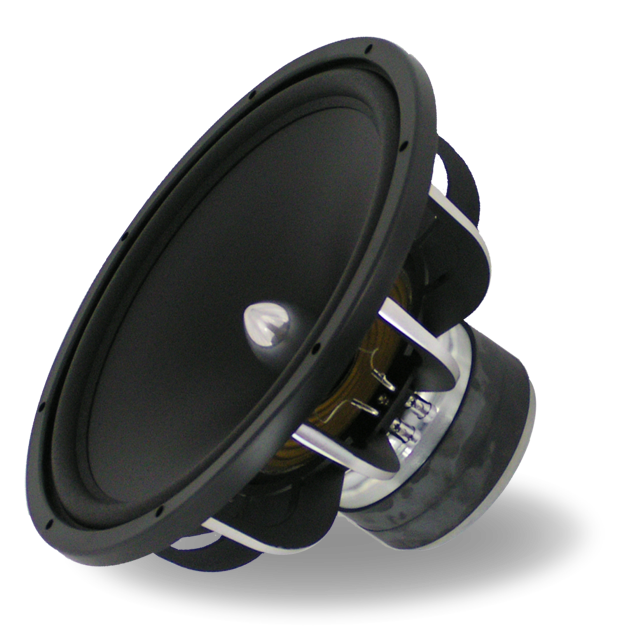
Comparing technical specifications is essential when choosing between different woofer and driver models. Nominal power is one of the main specifications that determines the operating capabilities of these components. The maximum power rating indicates the load a component can withstand for short periods. Impedance compatibility with the amplifier is particularly important when selecting woofers and drivers. Frequency response determines which sound frequencies a component can reproduce effectively. Woofers are generally designed to reproduce low frequencies, so their construction is tailored to meet specific requirements. Driver components are primarily used to reproduce midrange and high frequencies with greater precision. Sensitivity also plays an important role in determining the sound output of woofers and drivers. Their size and construction can help determine which type of speaker cabinet or acoustic system they are suitable for. For this reason, evaluating all technical parameters together leads to a more appropriate choice.
Choosing the right system for woofers and drivers
The first step when selecting woofers and drivers is to determine which audio system they will be used in. Component requirements can differ significantly between a home audio setup and a professional stage system. Selecting woofers and drivers according to their intended application allows you to make better use of the sound system's capabilities. For concert and event systems, models capable of handling high sound pressure levels may be preferable. In studios, accurate and detailed sound reproduction is generally more important. The size and construction of the speaker cabinet should also be considered when choosing woofers and drivers. Compatibility between the components and the cabinet can affect sound characteristics and overall performance. The amplifier's technical specifications must also match those of the woofers and drivers. Incompatible components can reduce system efficiency and introduce unwanted distortion. Therefore, it is advisable to consider the technical specifications of the entire system before purchasing woofers and drivers.
Applications of woofers and drivers
Woofers and drivers are widely used in both professional and home audio systems. They help stage sound equipment deliver high output levels across a broad frequency range. Woofers and drivers selected for concert venues must be capable of handling demanding operating conditions. In event and presentation systems, clear speech and high-quality music reproduction are among the main priorities. In studios, woofers and drivers can be used to provide more accurate monitoring. In cinema and entertainment systems, woofers help deliver fuller low-frequency sound. Driver components improve the clarity of vocals, musical instruments and other high-frequency sounds. Woofers and drivers are manufactured in different designs to meet the requirements of various acoustic systems. Choosing components according to their intended application has a positive effect on both sound quality and equipment durability. For this reason, it is important to consider future operating requirements when selecting woofers and drivers.
What to consider when buying woofers and drivers
The technical specifications of a product should be checked carefully before purchasing woofers and drivers. First, make sure that the power ratings of the components are suitable for the intended sound system. Impedance must be compatible with the amplifier's technical specifications. Frequency response helps determine the role each component will perform within the system. Sensitivity should also be taken into account when selecting woofers and drivers. A component with higher sensitivity may produce a higher sound level when used with the same amplifier power. Product dimensions and mounting specifications must also match the speaker cabinet. The materials and construction of woofers and drivers are important factors for long-term use. When choosing components for professional audio systems, particular attention should be paid to their suitability for the intended operating conditions. The right woofers and drivers not only improve sound system performance but also help other components operate more efficiently.
Professional selection of woofers and drivers
Choosing woofers and drivers based on just one technical specification is not the right approach. The sound system's power, intended application, cabinet construction and amplifier characteristics should all be assessed together. Proper matching between woofers and drivers helps improve the overall balance of the system. In professional audio systems, compatibility in terms of frequency response and power handling is particularly important. When selecting woofers and drivers, you should also consider the conditions in which the system will operate in the future. Durability is an important selection criterion for stage and event equipment used regularly. In studios, natural and detailed sound reproduction may be the main priority. Carefully reviewing technical information when comparing woofers and drivers helps you make a more informed decision. Components selected for the intended application allow you to use the full potential of your sound system more effectively. For this reason, choosing the right woofers and drivers is an important step in determining the overall quality of an audio system.